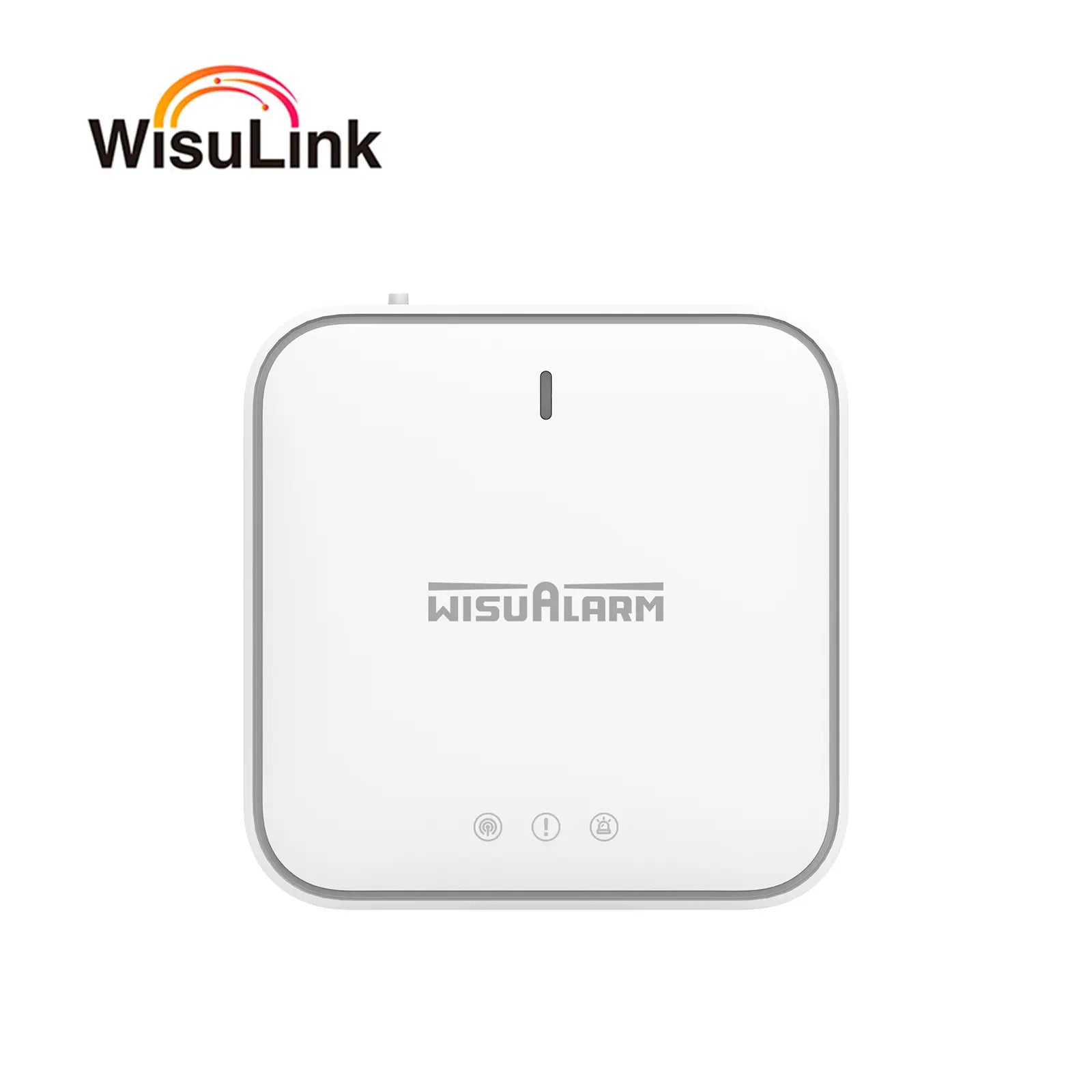
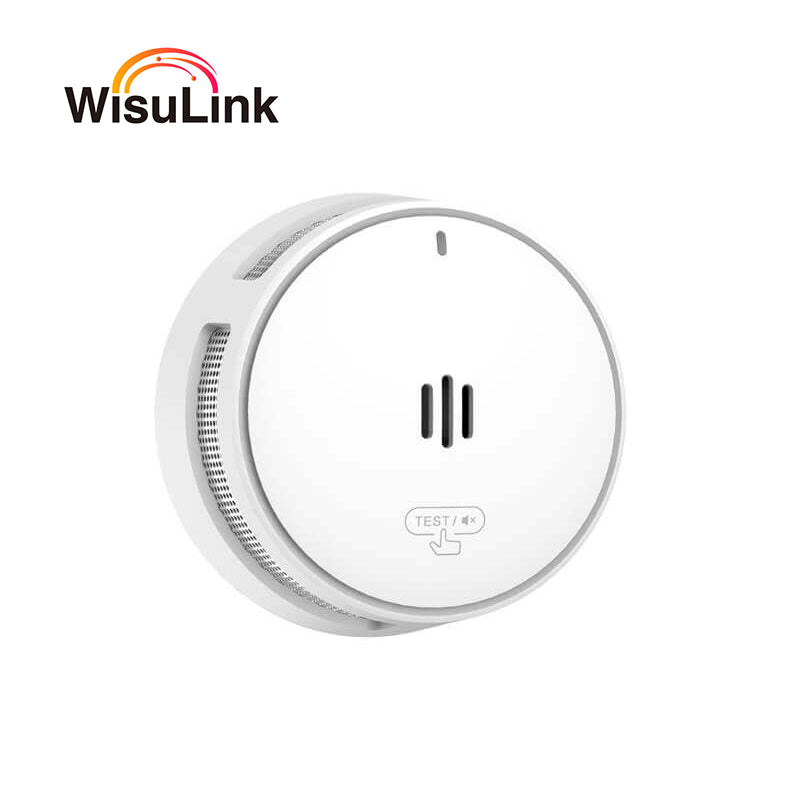
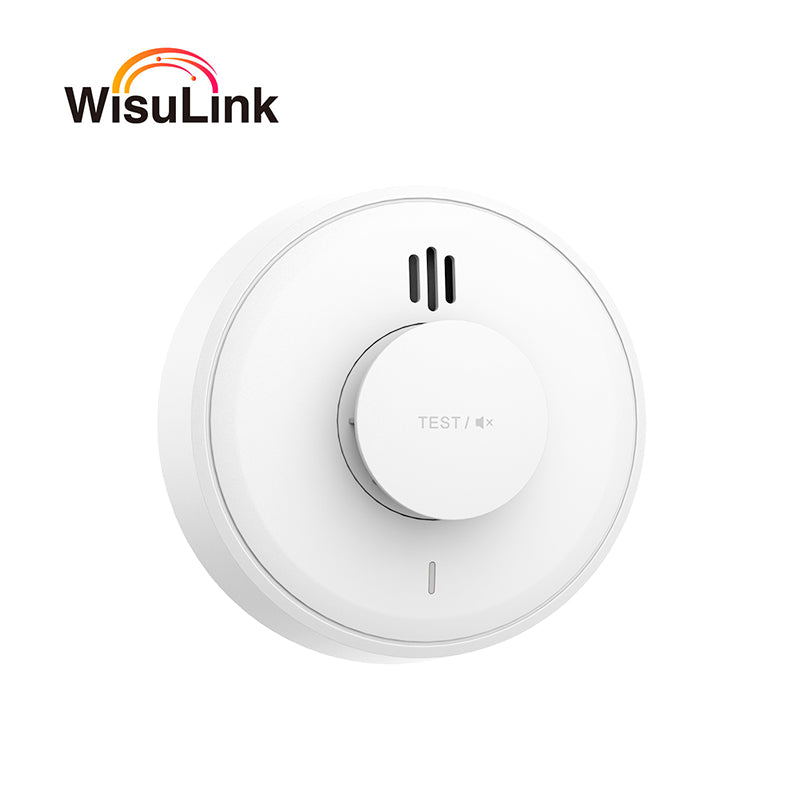

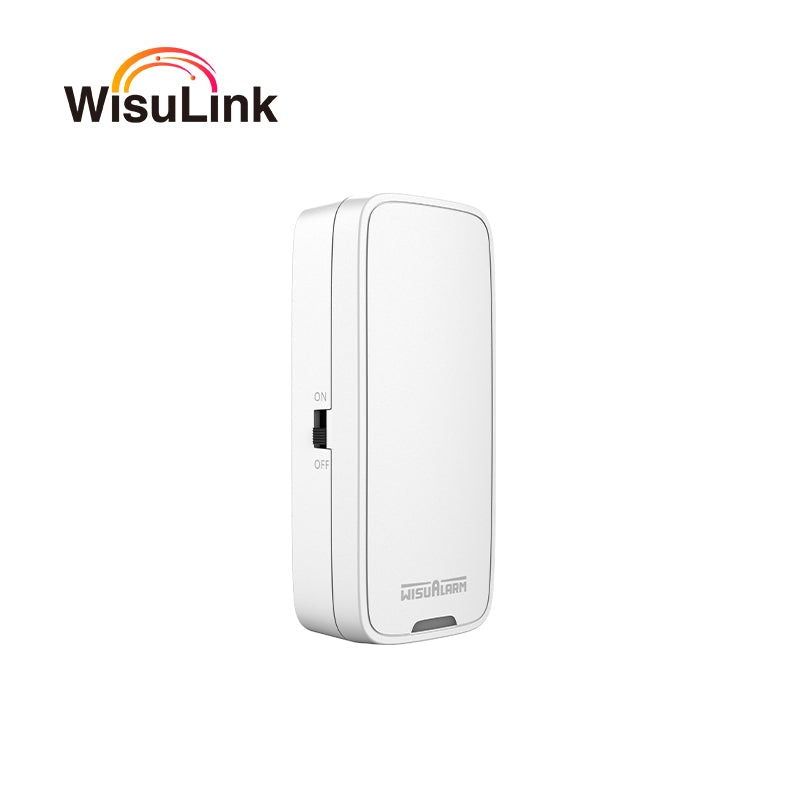
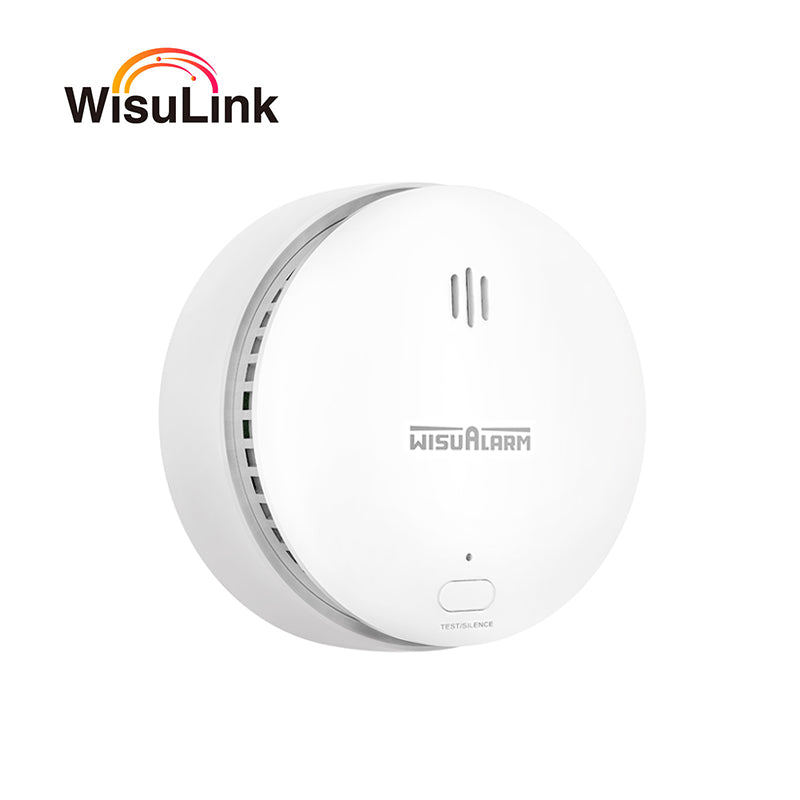
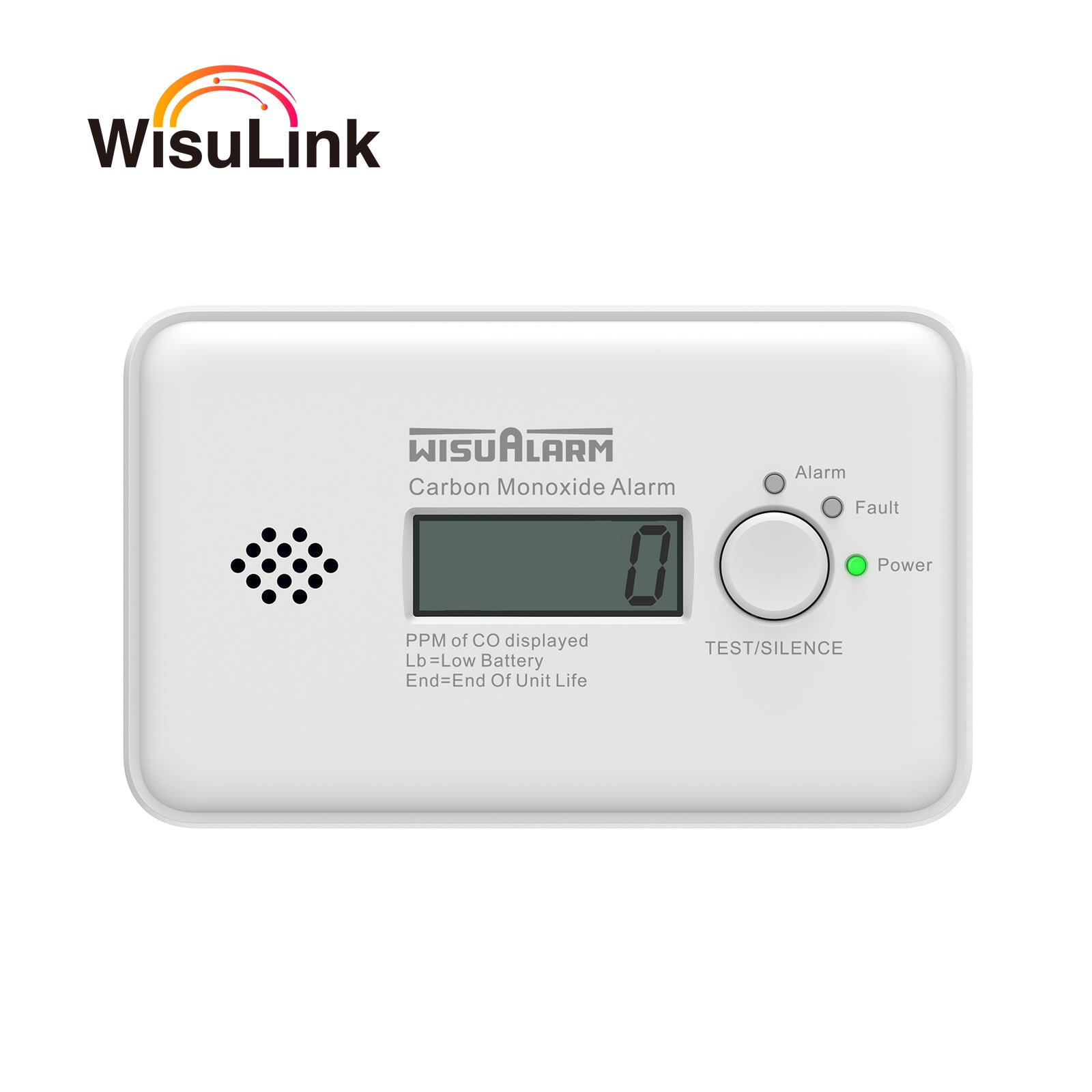



Interlinked smoke alarms communicate through radio-frequency (RF) signals. When one alarm detects smoke or fire, all other interconnected alarms will activate simultaneously, ensuring that you receive a prompt warning.
How many alarms can be connected using radio frenquency?
The maximum number of interconnected smoke detectors are 24 detectors to be interconnected.
What is interlinked smoke alarm?
An interlinked smoke alarm is a system of smoke detectors that are connected wirelessly using radio frenquency. When one alarm detects smoke, it triggers all the interconnected alarms to sound simultaneously.
How do interlinked smoke alarms work?
Interlinked smoke alarms work by communicating with each other through radio frequency signals. When one alarm detects smoke or fire, it sends a signal to all the other alarms in the network, causing them to sound an alarm as well.
Why are interlinked smoke alarms important?
Interlinked smoke alarms provide an added layer of safety by ensuring that if a fire breaks out in one part of the house, everyone in the home is alerted, even if they are in a different room or on a different floor. This early warning can save lives and give occupants more time to evacuate safely. Studies have shown that interconnected smoke alarms can reduce the risk of fatalities in a house fire by up to 50%. This significant reduction in risk highlights the importance of having an interconnected smoke alarm system in place.
How do I install interconnected smoke detectors?
Installation typically involves selecting suitable locations (e.g., hallways, near sleeping areas), mounting the detectors to the walls or ceilings, and connecting them using radio frenquency according to the manufacturer's instructions.
In an era where home safety is non-negotiable, smart security systems have evolved from luxury add-ons to essential investments. Today’s homeowners don’t just want to see what’s happening at their properties—they want...
In Scotland, interlinked smoke alarms aren’t just a smart safety choice—they’re a legal requirement for most residential properties. Since February 2022, the Scottish Government’s updated fire safety regulations have mandated...
When it comes to home safety, few devices are as critical as smoke alarms. And in today’s market, interlinked smoke alarms stand out as a game-changer—they communicate with one another,...
Carbon monoxide (CO) is often called the "silent killer"—odourless, colourless, and tasteless, it can infiltrate homes and workplaces unnoticed, causing severe illness or even death. In the UK, especially in...
Imagine you’re at home in Edinburgh, cooking dinner, or in a Glasgow café grabbing a coffee. Suddenly, there’s a small fire—or someone tries to break into a nearby shop. What’s...
Fire remains one of the most destructive threats to lives and property worldwide—each year, unplanned fires cause billions in damages, displace families, and lead to tragic losses. What makes fires...
When it comes to fire safety, traditional smoke detectors and fire alarms have long been the first line of defense. But as technology advances, a new solution is redefining protection: fire...
Scotland has some of the strictest domestic fire safety laws in the UK—all designed to protect households from the devastating impact of fires. For homeowners, renters, and landlords alike, understanding...
When it comes to domestic fire safety in the UK, BS 5839 Part 6 isn’t just a technical standard—it’s the legal benchmark that ensures smoke alarms, heat detectors, and carbon monoxide (CO)...
Puis-je vous aider ou souhaitez-vous des conseils d'experts ?