


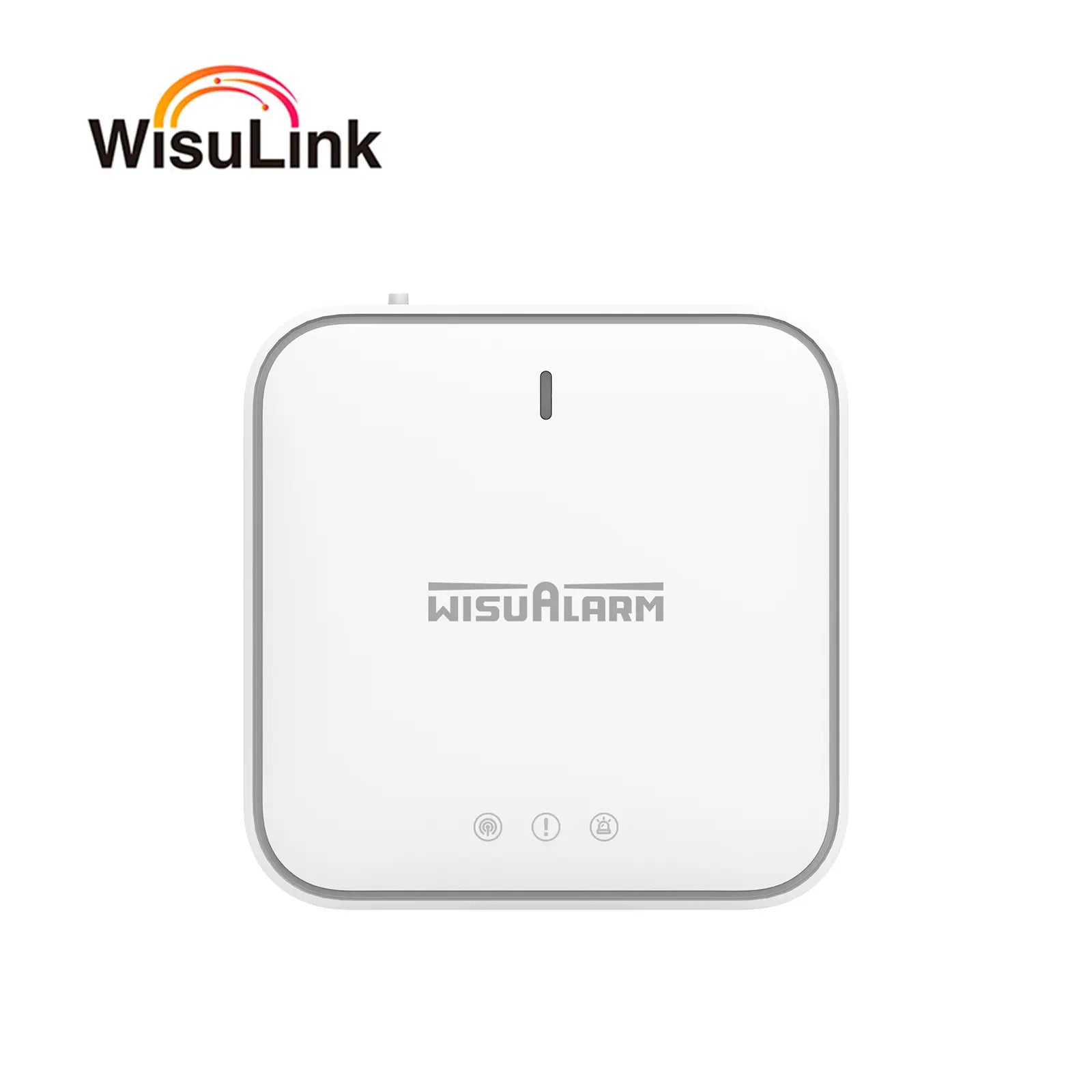





The safety landscape for Scottish homeowners changed forever on February 1, 2022. While the legislation has been in place for a few years now, there is still significant confusion among homeowners, buyers, and DIYers regarding what is actually required to make a property "legal."
Whether you are a homeowner in Edinburgh, a landlord in Glasgow, or someone moving into a cottage in the Highlands, understanding the Scottish Government’s Interlinked Fire Alarm Legislation is non-negotiable. It isn't just a "recommendation"—it is a legal requirement under the "Tolerable Standard" for all Scottish homes.
In this comprehensive guide, we will dive deep into the specific rules, the technical standards, and the most efficient way to bring your home up to code.
1. Why Did the Rules Change?
Following the Grenfell Tower tragedy in London, fire safety standards across the UK were scrutinized. The Scottish Government determined that the existing standards for private homeowners were insufficient compared to those for private tenants.
To ensure everyone has the same level of protection, the law was changed so that all homes in Scotland, regardless of tenure (owned or rented), must meet the same high standard. The goal is simple: early detection and early warning, giving occupants the maximum time to evacuate safely.
2. The Core Requirement: Interlinking
The most significant change is the shift from standalone alarms to an interlinked system.
In the past, a smoke alarm in your hallway might beep, but if you were asleep in a bedroom with the door closed, you might not hear it until it was too late. An interlinked system solves this: when one alarm detects smoke or heat, every alarm in the house sounds.
How do they interlink?
-
Wireless (Radio Frequency): This is the most popular option for existing homes. Alarms communicate via a secure radio signal. No messy wiring, no drilling through walls, and no need for an electrician.
-
Hardwired: Alarms are physically connected by cables. This is usually done during major renovations or new builds by a professional electrician.
3. The "2022 Standard" Checklist: What Alarms Do You Need?
To be legally compliant in Scotland, your home must have a specific configuration of sensors. A single smoke alarm in the hall is no longer enough.
A. Smoke Alarms
You are required to have:
-
One smoke alarm in the room you use most during the day (typically the living room or lounge).
-
One smoke alarm in every "circulation space" on every floor (hallways and landings).
B. Heat Alarms
-
One heat alarm in every kitchen. * Why a heat alarm? Standard smoke alarms are prone to "nuisance" triggers from burnt toast or steam. Heat alarms only trigger when they detect a significant, rapid rise in temperature, making them perfect for kitchens.
C. Carbon Monoxide (CO) Alarms
-
One CO alarm in any room with a fixed combustion appliance.
-
This includes gas boilers, gas fires, wood-burning stoves, or open fires.
-
Note: While the smoke and heat alarms must be interlinked with each other, the CO alarm does not legally have to be interlinked in Scotland (though it is highly recommended for safety).
-
4. Technical Standards: The Fine Print
The Scottish Government is very specific about the quality of the alarms. You cannot use old-fashioned, cheap battery-operated units.
-
Tamper-Proof Power: Alarms must either be hardwired to the mains or powered by a sealed, tamper-proof lithium battery with a 10-year lifespan. You cannot use alarms with replaceable 9V or AA batteries for the main system.
-
British/European Standards:
-
Smoke Alarms: Must comply with BS EN 14604:2005.
-
Heat Alarms: Must comply with BS 5446-2:2003.
-
CO Alarms: Must comply with British Standard EN 50291-1.
-
5. Placement and Installation Tips
For the sensors to work effectively, they should be installed correctly:
-
Ceiling Mounted: Smoke and heat alarms must be on the ceiling.
-
Clearance: Keep them at least 300mm (12 inches) away from walls, light fittings, or corners where "dead air" might prevent smoke from reaching the sensor.
-
Avoid Obstructions: Do not place them behind beams or curtains.
6. The Consequences of Non-Compliance
What happens if you don't upgrade?
-
Insurance Risks: This is the biggest concern for homeowners. Many UK insurance providers state that you must comply with local laws. If a fire occurs and your alarms were not interlinked as per Scottish law, your insurer may refuse to pay your claim.
-
Selling Your Home: When you sell a property, your solicitor or surveyor will check for compliance in the Home Report. If your system isn't up to code, it can stall the sale or be used as a bargaining chip for the buyer to lower the price.
-
Duty of Care: For landlords, failing to comply is a criminal offence and puts tenants at risk.
7. The Easiest Way to Comply: The Wisualarm Interlinked Kit
We understand that for many Scottish residents, the idea of picking out individual sensors and trying to "pair" them wirelessly sounds like a headache. That is why we have designed a specialized starter kit that meets the exact legal requirements for a standard Scottish home or flat.
Introducing the Wisualarm "Scotland Safety Bundle"
Our 3-piece interconnected kit is the ultimate "plug-and-play" solution for legal compliance and family safety.
What’s in the kit?
-
2x Wisualarm Interlinked Smoke Detectors: Perfectly suited for your living room and your main hallway/landing.
-
1x Wisualarm Interlinked Heat Detector: Designed specifically for your kitchen to prevent false alarms while providing rapid fire detection.
Why Wisualarm is the Smart Choice for Scotland:
-
Instant Wireless Interlinking: Our "Easy-Pair" technology allows you to link all three devices in seconds. If the kitchen heat alarm detects a fire, the smoke alarm in your hallway will alert you immediately.
-
10-Year Sealed Lithium Batteries: No battery changes for a decade. Our units are fully "tamper-proof," meeting the Scottish Government’s strict power source requirements.
-
Professional Grade Reliability: Fully certified to BS EN 14604 and BS 5446-2. We don't just meet the standards; we exceed them.
-
Simple DIY Installation: No electrician required. Each unit comes with a simple mounting plate and high-quality adhesive or screw fixings, allowing you to secure your home in under 15 minutes.
-
Sleek, Modern Aesthetic: We believe safety shouldn't be ugly. Our alarms are compact and designed to blend seamlessly into modern Scottish home interiors.
Don't Leave Your Safety to Chance
The Scottish fire safety laws are there to protect you, but they only work if you have the right equipment in place. Avoid the risk of insurance rejection and protect your loved ones with a system you can trust.
Ready to make your home legal and safe? Shop the Wisualarm 2+1 Interlinked Safety Kit today and enjoy the peace of mind that comes with professional-grade, Scottish-compliant fire protection.



Laissez un commentaire