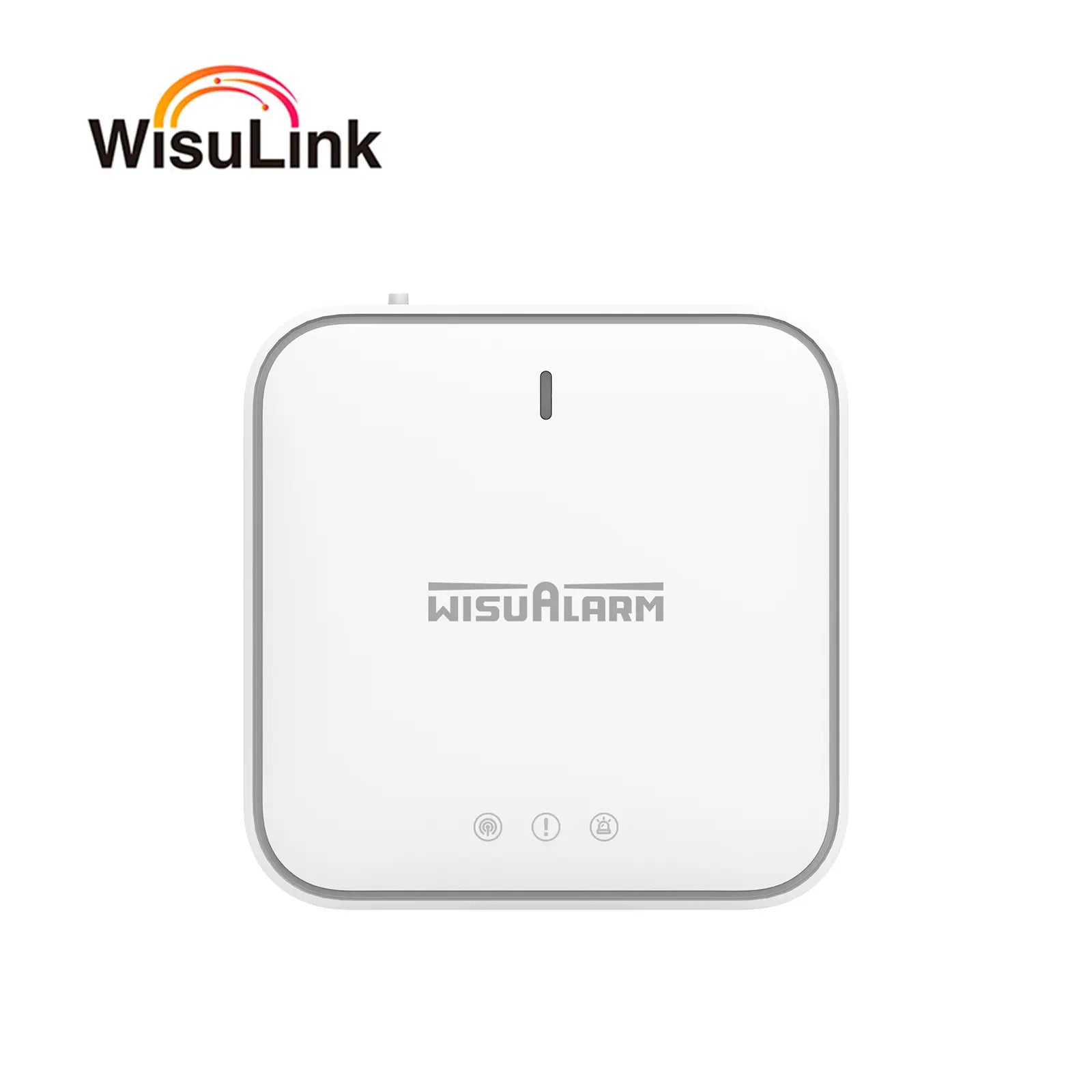

That intermittent chirping from your carbon monoxide (CO) alarm can be both annoying and anxiety-inducing. However, it’s a critical warning system designed to protect your household from invisible danger. While many assume it’s just a low battery, the reality is that chirping can indicate several issues—some routine, some urgent. In this guide, we’ll dive deeper into the technical and practical reasons behind these alerts, how to diagnose them, and why maintaining your CO detector is non-negotiable for home safety. The Critical Difference: Chirping vs. Emergency Alarm First, recognize the two distinct signals your CO detector emits: The Emergency Alarm:Four loud, consecutive beeps, repeating every five seconds. This means carbon monoxide has been detected at dangerous levels. Evacuate immediately and contact emergency...
What is a carbon dioxide detector used for?
Carbon dioxide detector is essential device used to monitor the levels of CO2 in the air. But what exactly are they used for and why are they important? Carbon dioxide detector is crucial tools that help monitor and ensure safe indoor air quality. Understanding their role and importance is essential for maintaining a healthy environment. Ensuring Indoor Air Quality Carbon dioxide detector is primarily used to ensure good indoor air quality. High levels of CO2 can indicate poor ventilation, which can lead to a range of health issues such as headaches, dizziness, and even cognitive impairment. The device is equipped with advanced sensors to accurately measure carbon dioxide levels in the air, providing valuable insights into indoor air quality. Preventing...
What to do if carbon monoxide alarm goes off
Imagine this scenario: you're at home, going about your day, when suddenly you hear the piercing sound of your carbon monoxide alarm. Panic sets in. What should you do next? Don't worry, we've got you covered with some essential steps to keep you safe. 1. Stay Calm The first and most important thing to do is to stay calm. Panicking will only cloud your judgment and prevent you from taking the necessary steps to ensure your safety. 2. Open Windows and Doors Open all windows and doors to ventilate the area. This will help to reduce the levels of carbon monoxide in your home and make it safer to re-enter once the alarm has stopped sounding. 3. Evacuate Immediately If your carbon...
How often should carbon monoxide detectors be checked?
Carbon monoxide (CO) is a colorless, odorless gas that can be extremely dangerous if not detected early. It is produced by the incomplete combustion of fuels such as gas, oil, coal, and wood. Since carbon monoxide is virtually undetectable without a detector, it is crucial to have these devices installed in your home. But how often should you check them to ensure they are functioning properly? Why is it important to check carbon monoxide detectors regularly? Carbon monoxide detectors are designed to alert you when the gas reaches dangerous levels in your home. Regularly checking these devices is essential to ensure they are in proper working condition. Over time, detectors can become less sensitive or malfunction, putting you and your...