





Extreme weather can affect your home in more ways than you might expect.
Heavy rain can bring flooding. Storms can cause power cuts. And sometimes, the problem starts inside your home — with a leaking pipe, washing machine or dishwasher.
But there's another question worth asking:
What happens if you're not home when it starts?

When You're Away, Who Notices the Problem?
A recurring question in online home-safety discussions is:
“Would I know if a leak started while I was away?”
A small leak under a sink or behind a washing machine can go unnoticed for hours. By the time you return, a minor leak may have already caused significant damage.
That's why early detection matters.
Water Leaks: A Small Problem Can Become a Big One
When people think about flooding, they often think about heavy rain, rivers or coastal flooding.
But water damage doesn't always come from outside.
Washing machines, dishwashers, sinks, pipes and heating systems can all become sources of leaks.
Consider placing a water leak detector near areas where a leak is most likely or could cause the most damage, such as:
- Washing machines and dishwashers
- Under sinks and around exposed pipes
- Near water heaters
- Bathrooms and utility rooms
- Basements and other vulnerable areas
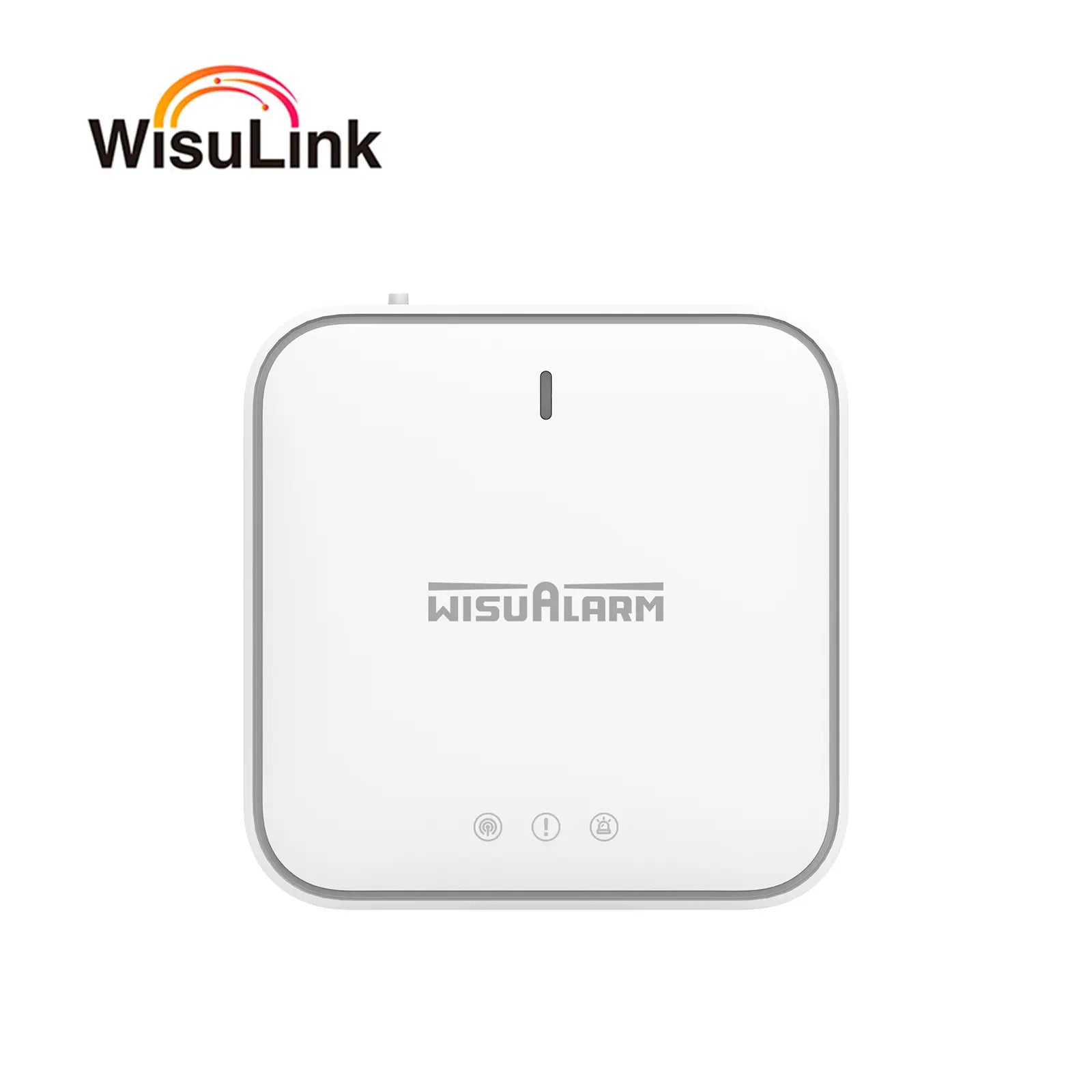
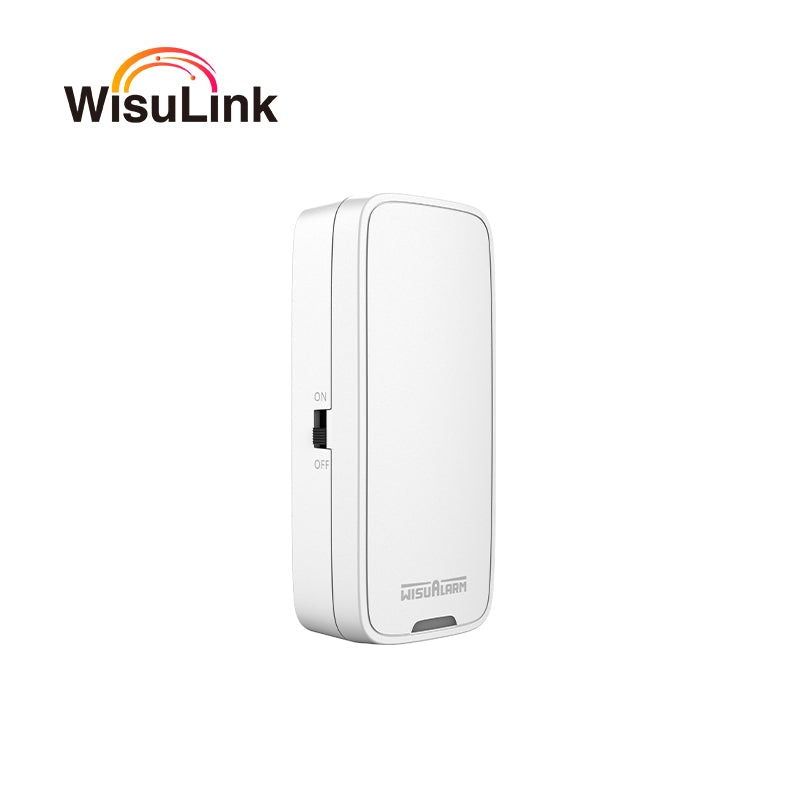
For connected protection, the Wisualarm Interlinked Water Leak Detector with Wireless Gateway provides water detection with wireless communication between the detector and gateway.
Explore Wisualarm Interlinked Water Leak Detector with Wireless Gateway
The idea is simple: know about the problem before you discover the damage.
What About a Power Cut?
Severe weather can also cause power cuts.
UK preparedness guidance recommends keeping essentials such as torches, spare batteries and charged phones ready.
It's also worth checking how your home safety system behaves during an outage.
Battery-powered alarms may continue providing local protection, while gateways, routers and connected notifications can depend on mains power or an internet connection.
Know which parts of your system rely on:
- Batteries
- Mains power
- Wi-Fi
- A gateway
- Internet access
What If Both Happen at Once?
Imagine you're away for the weekend.
A storm causes a power cut. At the same time, a washing machine hose starts leaking.
Nobody is home to see the water, and your internet connection may also be unavailable.
This is why it's useful to think about home safety in layers:
- Smoke and CO alarms — local warnings for fire and carbon monoxide
- Water leak detection — early warning of water problems
- Connected alerts — remote awareness when connectivity is available
- Emergency supplies — essentials for power or network disruptions
The goal isn't to make your home complicated.
It's to make sure one unexpected problem doesn't leave you unaware of another.
How to Prepare Your Home
You don't need to predict the next storm. A few simple checks can make your home better prepared.
1. Check Your Flood Risk
Understand the flood risks around your property and sign up for relevant UK flood warnings.
2. Know Your Shut-Offs
Know where your water stop tap, gas shut-off and electrical main switch are located.
Only turn off utilities if it is safe to do so. Never touch electrical switches while standing in flood water.
3. Monitor Vulnerable Areas
Identify appliances, pipes and rooms where a leak could cause significant damage, and consider placing water leak detectors there.
4. Prepare for Power Cuts
Keep torches, spare batteries, charged phones or power banks somewhere easy to find.
5. Check Your Connected Safety System
If you rely on remote notifications, know what happens when the power, Wi-Fi or internet connection goes down.
Beyond Water: Monitor Your Home Environment
Water isn't always the only thing worth monitoring.
Temperature and humidity changes can also provide useful information, particularly in basements, utility rooms and other areas that aren't checked regularly.
The Wisualarm Smart Gateway Water Leak Detector & Environmental Sensor Kit combines water leak detection with temperature and humidity monitoring through one connected system.
Explore Wisualarm Smart Gateway Water Leak Detector & Environmental Sensor Kit
It's another way to keep an eye on parts of your home that may otherwise go unnoticed while you're away.
Extreme Weather Home Safety Checklist
Flooding
- Know your property's flood risk
- Sign up for relevant flood warnings
- Know what to do if flooding is expected
Water Leaks
- Identify vulnerable appliances and pipes
- Consider leak detection in high-risk areas
- Make sure you can receive alerts when you're away
Power Cuts
- Keep a torch and spare batteries ready
- Keep your phone or power bank charged
- Know how to report a power cut
- Check which safety devices rely on mains power or internet
Emergency Response
- Know where your water stop tap is
- Know how to safely shut off utilities
- Make sure everyone at home knows what to do
The Goal: Know Earlier
Extreme weather isn't always predictable.
But your response can be.
A flood warning can tell you when your area may be at risk. A water leak detector can tell you when water reaches a vulnerable area. Smoke and CO alarms can warn you about dangers you may not see or smell.
So perhaps the better question isn't:
“Is my home prepared for extreme weather?”
It's:
“If something goes wrong while I'm away, how quickly will I know?”
That's where a layered home safety approach can make a real difference.
FAQ
Can heavy rain cause flooding in UK homes?
Yes. Flooding can result from rivers, the sea or surface water following heavy rainfall. Some properties can be at risk even when they are away from rivers or the coast.
Where should I put a water leak detector?
Common locations include washing machines, dishwashers, sinks, water heaters, exposed pipes and other areas where leaks could cause damage.
Will a water leak detector work during a power cut?
It depends on the specific product and system. Battery-powered sensors may continue local detection, while gateways and connected notifications can depend on power or network availability.
What should I prepare for a UK power cut?
Keep essentials such as a torch, spare batteries and a charged phone or power bank available. It's also useful to know how to contact your local electricity network operator.



Laissez un commentaire