






Water – the lifeblood of our planet, essential for survival, yet paradoxically, one of the most destructive forces when it escapes its intended boundaries. From a tiny drip behind a wall to a burst pipe in the basement, water leaks are a silent, insidious threat that can cause catastrophic damage, financial strain, and significant emotional distress. In homes and businesses alike, unaddressed water leaks can lead to structural damage, mold growth, increased utility bills, and the loss of valuable possessions or operational downtime.
In an increasingly connected world, relying solely on visual inspections or the tell-tale sound of dripping is no longer sufficient. Modern technology offers a proactive and indispensable solution: Water Leak Detection Systems. This comprehensive guide will delve into the critical importance of these systems, the different types available, where to install them, and how they can save you time, money, and peace of mind.
The Hidden Dangers of Undetected Water Leaks
Before exploring solutions, it's crucial to understand the full scope of damage a seemingly minor leak can inflict:
-
Structural Damage: Water can weaken the very foundations of your property. It can rot wooden beams, corrode metal supports, damage drywall, warp floors, and compromise the integrity of ceilings. Over time, this can lead to costly repairs and even make a building unsafe.
-
Mold and Mildew Growth: This is perhaps one of the most pervasive and dangerous consequences. Mold thrives in damp, dark environments and can begin to grow within 24-48 hours of water exposure. Beyond its foul odor and unsightly appearance, mold can trigger severe respiratory problems, allergies, and other health issues for occupants. Remediation is often expensive and disruptive.
-
Increased Utility Bills: A constant drip, even if small, adds up. A faucet dripping once per second can waste over 3,000 gallons of water per year. Leaking toilets, pipes, or water heaters can significantly inflate your water bill, often without you realizing the cause for months.
-
Damage to Valuables: Furniture, electronics, documents, heirlooms, and inventory in businesses can all be irrevocably damaged by water. The financial and sentimental loss can be immeasurable.
-
Fire Hazards: While less common, water interacting with electrical wiring can create short circuits, leading to potential fire hazards.
-
Pest Infestations: Damp environments can attract pests like termites, cockroaches, and rodents, adding another layer of problem.
-
Insurance Headaches: While insurance often covers sudden water damage, continuous slow leaks discovered months later might not be fully covered, or could lead to higher premiums. Prompt detection and mitigation demonstrate due diligence.
The Evolution of Leak Detection Technology
Historically, finding a leak was a reactive process: seeing a stain, hearing a drip, or feeling dampness. Today, technology has transformed this into a proactive, intelligent defense mechanism.
Types of Water Leak Detection Systems:
-
Spot Detectors (Point-of-Use Sensors):
-
How they work: These are small, standalone devices placed directly in high-risk areas. They typically feature two metallic probes that, upon contact with water, complete an electrical circuit, triggering an alarm (audible siren, flashing light, or smartphone notification).
-
Pros: Inexpensive, easy to install, battery-powered, highly effective for specific locations.
-
Cons: Only detect water at their precise location; not suitable for covering large areas or general pipe leaks unless many are deployed.
-
-
Rope/Cable Sensors (Leak Detection Cables):
-
How they work: These systems use a continuous cable that is sensitive to water along its entire length. When any part of the cable comes into contact with water, it triggers an alarm. Often connected to a central monitoring unit.
-
Pros: Excellent for covering larger or irregular areas, tracing potential leak paths (e.g., around the perimeter of a server room, under long rows of pipes).
-
Cons: Can be more complex to install, generally more expensive than spot detectors.
-
-
Flow-Based (Whole-House/Business) Systems:
-
How they work: These advanced systems install directly onto the main water line of a property. They monitor water flow and pressure using ultrasonic sensors or turbines. If the system detects unusual or continuous flow beyond a preset limit (e.g., water running for 20 minutes when no one is home), it flags it as a leak. Some systems can even automatically shut off the main water supply.
-
Pros: Comprehensive protection for the entire property, can detect tiny drips over time, automatic shut-off feature prevents major damage.
-
Cons: More expensive, professional installation often required, occasional false alarms if not calibrated correctly for unique water usage patterns.
-
-
Humidity Sensors:
-
How they work: While not directly detecting liquid water, these sensors monitor ambient humidity levels. A sudden or sustained spike in humidity in an area (like behind a wall) can indicate a hidden leak.
-
Pros: Can alert to invisible leaks, useful for areas prone to condensation.
-
Cons: Less immediate than direct water contact sensors, can be triggered by high general humidity.
-
Where to Install Water Leak Detectors: High-Risk Zones
Strategic placement is key to effective leak detection. Focus on areas where water sources are present, connections are made, or damage would be most costly:
For Homes:
-
Kitchen: Under the sink, behind the dishwasher, near the refrigerator's icemaker line.
-
Bathrooms: Under sinks, behind toilets, near shower bases/tubs, by washing machine hoses.
-
Laundry Room: Behind or under the washing machine, near utility sinks.
-
Basement/Crawl Space: Near water heaters, sump pumps, water softeners, main water entry point, under floor joists.
-
Attic: Near HVAC condensation pans, skylights, or chimneys.
-
Garages: Near water heaters, utility sinks, or any exposed piping.
-
HVAC Units: Especially around indoor air handler units (condensation lines).
For Businesses/Commercial Properties:
-
Server Rooms/Data Centers: Under raised floors, near HVAC units, along critical wiring trays.
-
Utility Rooms: Around boilers, water heaters, pumps, and main water lines.
-
Kitchens/Restrooms: Similar to home installations, but with higher usage.
-
Storage Facilities: Especially where inventory is sensitive to moisture.
-
HVAC Systems: Extensive coverage around chiller lines, cooling towers, and condensation drains.
-
Retail Spaces: Near display cases with water features, backrooms with plumbing.
Smart Integration: The Future of Leak Protection
The true power of modern water leak detection lies in its integration with smart home and smart building ecosystems.
-
Smartphone Notifications: Receive instant alerts directly to your phone, no matter where you are. This is crucial for preventing minor leaks from becoming disasters while you're at work or on vacation.
-
Remote Monitoring: Check the status of all your sensors from an intuitive app.
-
Automated Actions: Connect with other smart devices. For example, a leak sensor could trigger a smart valve to automatically shut off the water supply, or turn on a connected fan in the affected area.
-
Historical Data: Track humidity and temperature trends to proactively identify areas at risk.
The ROI of Water Leak Detection
Investing in a quality water leak detection system isn't an expense; it's an intelligent investment with a significant return.
-
Prevent Costly Repairs: A single burst pipe can cost tens of thousands in damage and remediation. Leak detectors can pay for themselves many times over by preventing just one major incident.
-
Lower Insurance Premiums: Some insurance providers offer discounts for properties equipped with smart leak detection systems that include automatic shut-off capabilities.
-
Reduced Water Bills: Detecting and fixing minor leaks promptly can lead to noticeable savings on your monthly utility statements.
-
Peace of Mind: Knowing your property is constantly monitored for water leaks offers invaluable peace of mind, whether you're home or away.
Conclusion: Don't Wait for the Drip, Act Now!
Water leaks are inevitable. Pipes age, seals degrade, and accidents happen. The critical difference between a minor inconvenience and a devastating disaster often boils down to detection time. By proactively implementing a reliable water leak detection system, you are not just buying a device; you are investing in the longevity of your property, the health of its occupants, and your financial security.
Don't let the silent threat of water damage catch you off guard. Embrace smart technology to protect what matters most.
Protect Your Home with Wisualarm Water Leak Detectors!

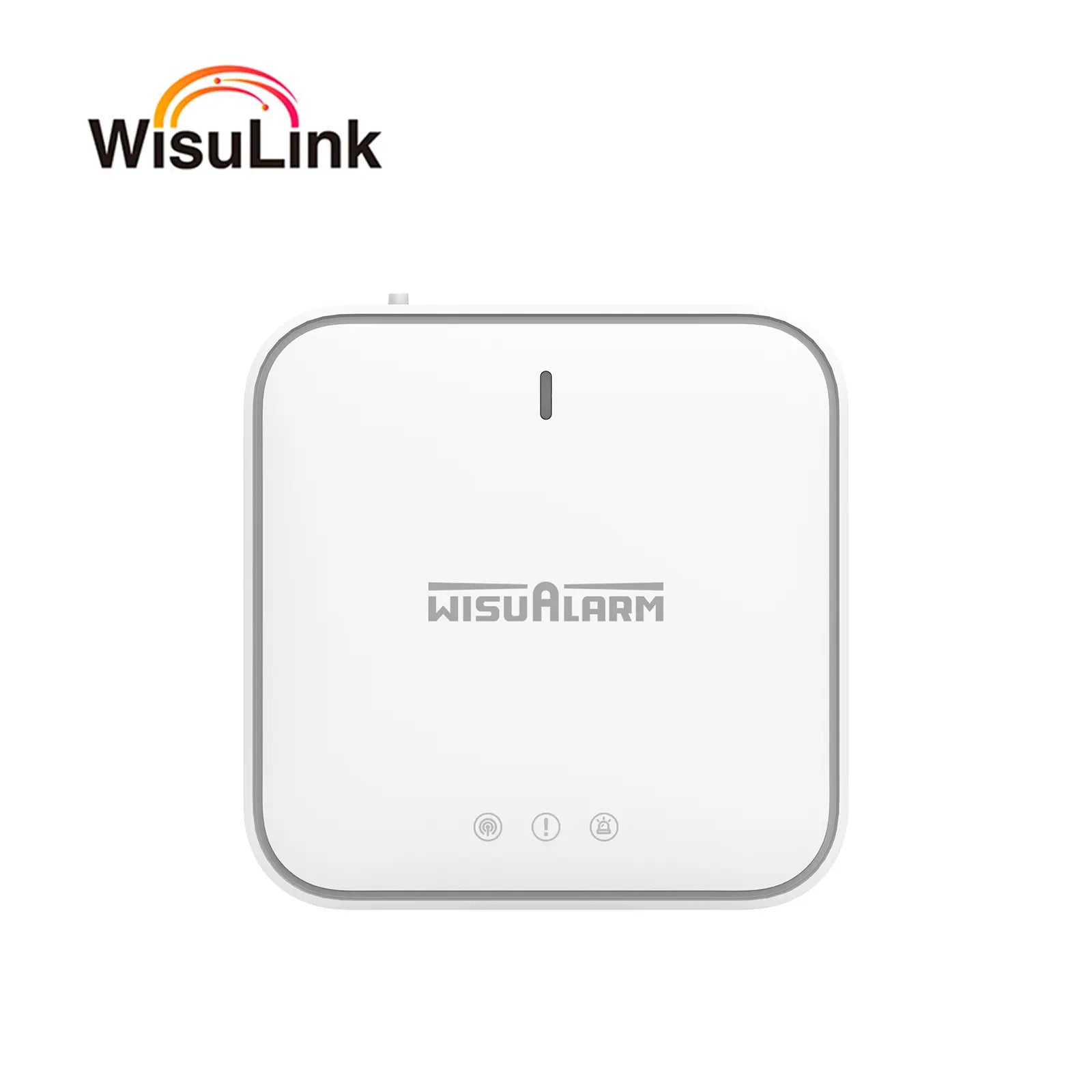
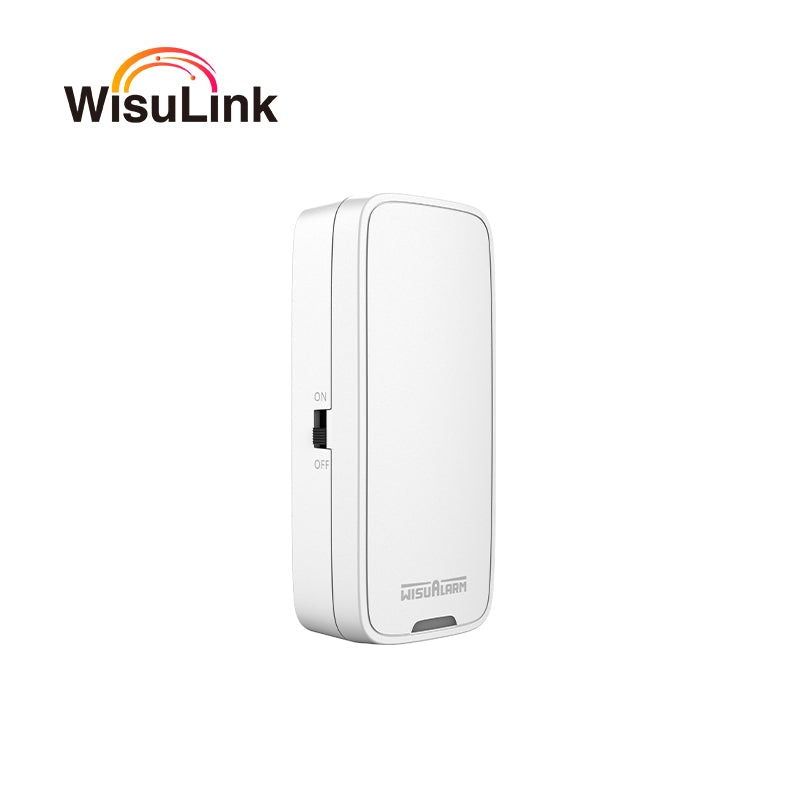
At Wisualarm, we understand the critical importance of early water leak detection. Our advanced water leak detectors are designed to provide fast, reliable, and intelligent protection for your home or business.
Why choose Wisualarm?
-
Instant Alerts: Receive real-time notifications.
-
High Sensitivity: Our sensors are engineered to detect even the smallest presence of water, giving you maximum warning time.
-
Easy Installation: Designed for quick and hassle-free setup, allowing you to secure your high-risk areas in minutes.
-
Long-Lasting Performance: Built with durability and efficiency in mind, ensuring consistent protection.
Don't gamble with the integrity of your property. Explore Wisualarm's range of smart water leak detectors today and turn the silent threat of water damage into a preventable concern.



Hinterlasse einen Kommentar