





Awaab’s Law has brought greater attention to how housing hazards are identified, investigated and addressed. Its wider focus on housing conditions also raises an important question for landlords: how can potential risks be recognised before they become serious problems?
From damp and poor ventilation to electrical faults and fire hazards, rental property safety involves more than responding to repair requests. A proactive approach to property maintenance can help landlords identify problems earlier and provide safer living conditions for tenants.
Hidden Property Hazards Landlords Should Not Overlook
Some housing risks are easy to spot, while others develop gradually or remain unnoticed until tenants report a problem.
A practical property review should consider several areas:
| Risk Area | What Landlords Should Review |
|---|---|
| Damp and mould | Signs of condensation, leaks, poor ventilation and recurring mould |
| Heating and temperature | Heating performance, insulation and unusually cold or hot rooms |
| Electrical safety | Damaged sockets, exposed wiring and faulty supplied appliances |
| Fire risks | Potential ignition sources, escape routes and working smoke alarms |
| Indoor air safety | Combustion appliances, ventilation and potential carbon monoxide risks |
| Structural safety | Loose handrails, damaged flooring, unsafe stairs and other fall hazards |
The important point is not simply to complete a checklist. Landlords should consider whether a problem could affect residents’ health or safety, how quickly it needs attention and whether specialist assessment is necessary.
Fire Detection: An Important Part of Property Risk Prevention
Fire hazards can develop from electrical faults, heating equipment, cooking activities and other everyday sources. Once a fire starts, early warning is essential, particularly in properties with multiple rooms or floors.
Landlords should review whether smoke detection is suitable for the property’s layout, whether alarms are working and whether residents can hear warnings throughout the home.
In England, smoke alarms are required on each storey containing a room used wholly or partly as living accommodation. However, the most suitable arrangement can depend on the building layout and the needs of its occupants.
For larger or multi-storey homes, interconnected alarms can provide wider warning coverage. When one compatible alarm detects smoke or heat, other connected alarms can sound as well, helping alert occupants in different parts of the property.
For properties where broader coverage is needed, Wisualarm’s interlinked smoke, CO and heat alarm kit combines compatible detectors within one wireless system.
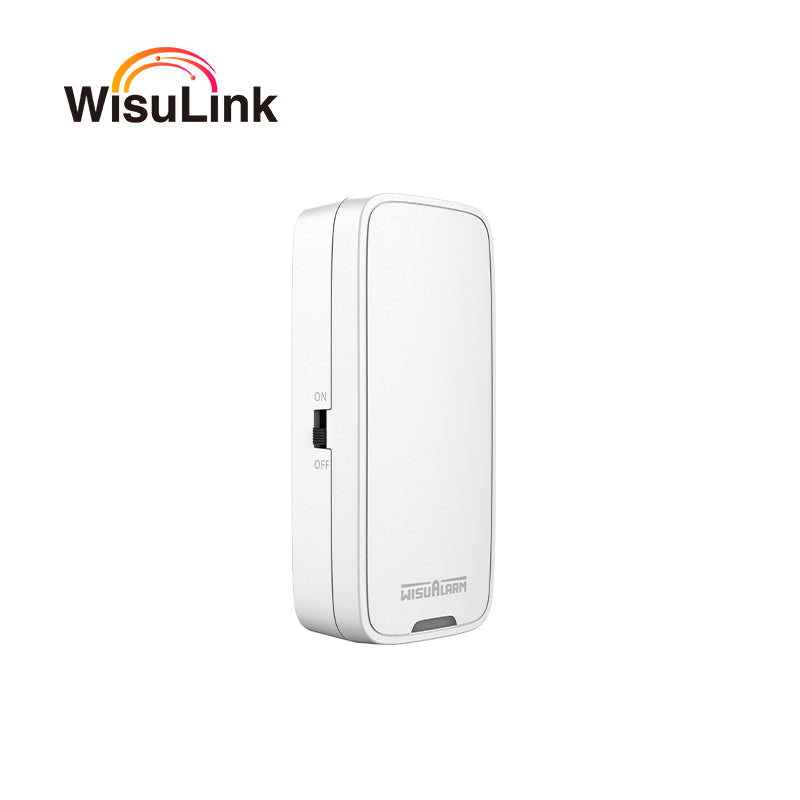
Another consideration is how landlords become aware of alarm problems between inspections. A compatible WiFi smoke alarm, such as Wisualarm’s WiFi smoke alarm, can provide app-based notifications without requiring a separate gateway.
These technologies can support earlier awareness, but they do not replace physical checks or appropriate maintenance.
Carbon Monoxide: A Risk That Can Be Difficult to Detect
Not every residential hazard is visible. Carbon monoxide (CO) is a particularly important example because it is colourless and odourless.
Properties with gas, oil or solid-fuel appliances may require additional attention to appliance condition, ventilation and carbon monoxide protection.
In England, landlords must provide a CO alarm in rooms used wholly or partly as living accommodation that contain a fixed combustion appliance, excluding gas cookers. This is an existing legal requirement, separate from Awaab’s Law.
For landlords, the practical approach is to consider CO protection alongside routine checks of relevant heating and combustion equipment, rather than treating it as an isolated item on an installation checklist.
Managing Property Risks Between Tenancies
A property inspection at the beginning or end of a tenancy is an opportunity to identify issues before they affect the next occupants.
Rather than relying only on a general visual inspection, landlords can organise checks around the main risk areas:
-
Before a new tenancy: Review smoke and CO alarms, heating systems, electrical condition and visible signs of damp or structural damage.
-
During a tenancy: Provide tenants with a clear way to report faults and concerns, and ensure reports are followed up.
-
After repairs: Confirm that the problem has been resolved and retain relevant records.
-
Over time: Track equipment age, alarm replacement dates and recurring maintenance issues.
For landlords managing several properties, standardising compatible safety equipment can also simplify maintenance and replacement planning.
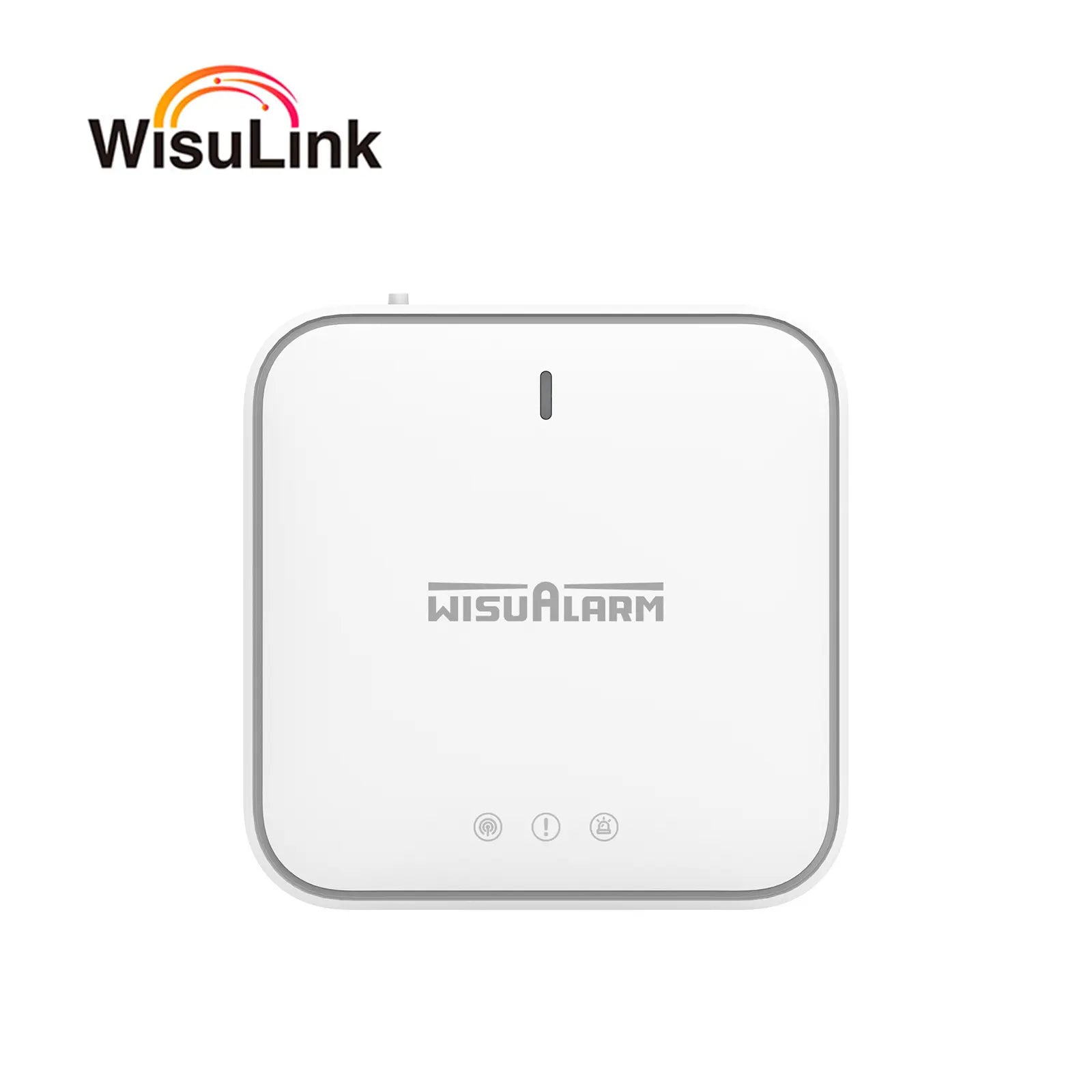
Where supported devices are connected to a compatible gateway, app-based monitoring can provide additional information about device status and alerts. Wisualarm’s gateway and smoke, CO and heat alarm kit is one option for properties using a compatible system.
Remote monitoring should be treated as an additional management tool, not a substitute for inspections, repairs or statutory checks.
Building a More Proactive Rental Property Safety Plan
Awaab’s Law has helped bring the importance of housing conditions and timely hazard management into sharper focus. For landlords, the wider lesson is to move beyond reactive maintenance and develop a more consistent approach to identifying potential problems.
Reviewing property conditions, maintaining effective detection systems and responding promptly to tenant reports can all contribute to safer homes.
Ultimately, good rental property management is not just about fixing problems when they arise. It is about recognising risks early and taking practical steps to prevent them from becoming more serious.
Frequently Asked Questions
What property hazards should landlords check regularly?
Landlords should pay attention to damp and mould, heating and ventilation, electrical safety, fire risks, structural conditions and potential carbon monoxide exposure. The appropriate checks depend on the property and its equipment.
Does Awaab’s Law apply to private landlords?
The government is consulting on how Awaab’s Law should be extended to private rented tenancies in England. The detailed requirements and implementation arrangements are still being developed.
Why are interconnected smoke alarms useful in rental properties?
Interconnected alarms allow compatible devices to sound together when one detects danger. This can help occupants hear an alert in different rooms or on different floors.
Can smart alarms help landlords manage multiple properties?
Compatible smart alarm systems can provide app-based device information and alerts. They may help landlords become aware of certain issues between visits, but do not replace physical inspections or maintenance.
Are carbon monoxide alarms part of Awaab’s Law?
CO alarm requirements come from separate legislation in England. However, carbon monoxide protection is relevant to the wider goal of identifying and managing residential health and safety risks.



Hinterlasse einen Kommentar