






When it comes to fire safety, the "lone wolf" approach is a relic of the past. In the UK, fire safety regulations—particularly in Scotland and increasingly across England and Wales—are shifting toward a more integrated approach. The question is no longer just "do you have a smoke alarm?" but rather, "How are your smoke alarms interlinked?"
Understanding the mechanics and benefits of interlinked systems is not just about ticking a compliance box; it is about buying the most precious commodity in a fire emergency: time.
What Does "Interlinked" Actually Mean?
In a traditional setup, if a fire starts in the kitchen, only the kitchen alarm sounds. If you are asleep in a distant bedroom with the door closed, you might not hear it until the smoke has already spread.
An interlinked system ensures that when one alarm detects smoke or heat, every alarm in the property sounds simultaneously. This creates a "chorus of safety" that ensures everyone in the building is alerted the moment danger is detected, regardless of where they are.
How Are Smoke Alarms Interlinked?
There are two primary methods to achieve this connection: Hardwired and Wireless Radio Frequency (RF).
1. Hardwired Interlinking (Physical Cables) Common in new builds or during major renovations, these alarms are connected via a physical communication cable (usually a three-core and earth cable).
-
Pros: Extremely reliable; no issues with signal interference.
-
Cons: Expensive and disruptive to install in existing homes (requires lifting floorboards and chasing walls).
2. Wireless Interlinking (Radio Frequency) This is the modern standard for retrofitting. Each alarm contains a radio transceiver. When one alarm triggers, it sends a high-frequency signal (typically 868MHz in the UK) to the others.
-
Pros: Installed in minutes; no messy wiring; easily expandable.
-
Cons: Requires high-quality components to ensure the signal can penetrate thick brick walls.
The UK Legal Landscape: Why Interlinking is Mandatory
If you live in Scotland, interlinked alarms are now a legal requirement for all homes under the 2022 legislation. In England and Wales, while requirements vary between social housing and private rentals, the "best practice" standard (BS 5839-6) strongly recommends interlinked systems for Grade D1/D2 installations.
The "Hush" and "Test" Synergy
A sophisticated interlinked system allows for "centralized control." If a piece of toast triggers the kitchen alarm, you don’t have to run from room to room. Quality systems feature a "hush" button on the triggering unit that silences the entire network, or a remote control switch that lets you test the whole house from one spot.
Why Choose Wisualarm for Your UK Home?
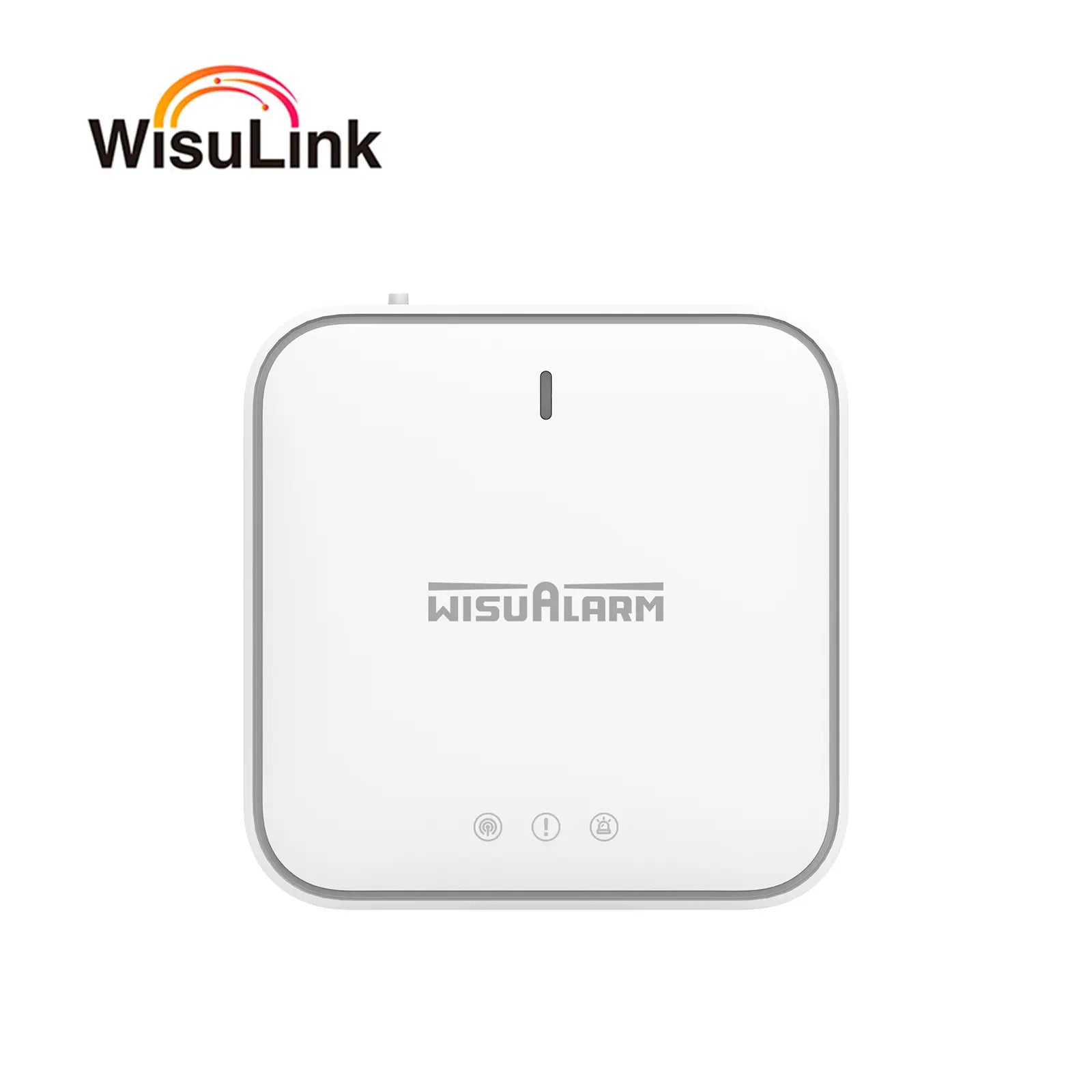
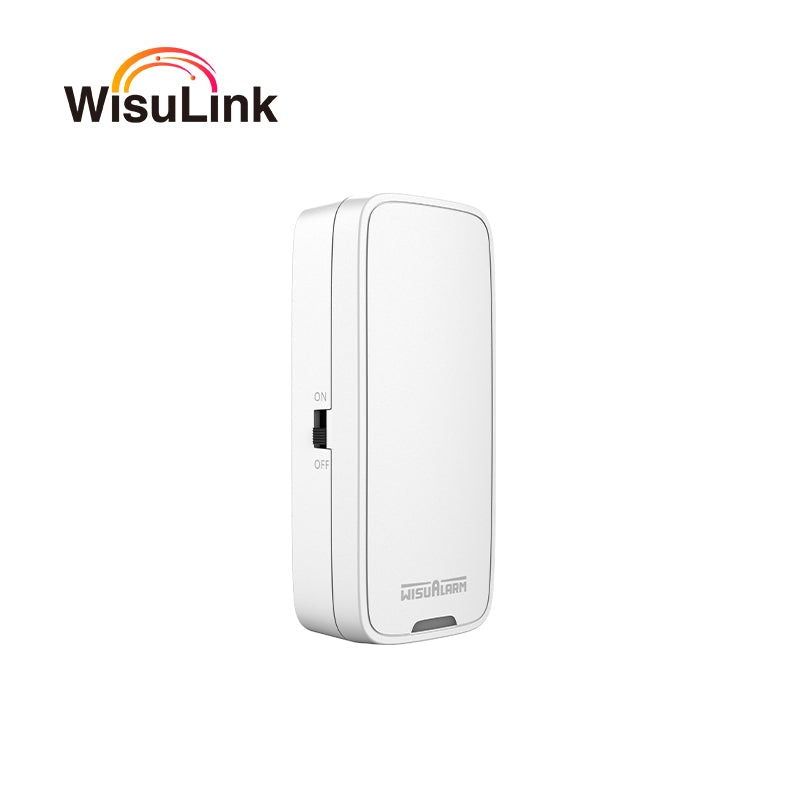
When lives are on the line, the reliability of the interlink is paramount. Wisualarm offers state-of-the-art smoke and heat detectors specifically designed to meet and exceed UK safety standards.
Our wireless interlink technology utilizes encrypted radio frequencies to ensure 100% signal reliability without the need for complicated wiring. With 10-year sealed lithium batteries and sleek, unobtrusive designs, Wisualarm provides the peace of mind that comes with professional-grade protection.
Secure your home today. Choose Wisualarm—where innovation meets absolute safety.



Hinterlasse einen Kommentar