




For decades, home safety in the United Kingdom followed a simple, localized logic: if there is fire in the kitchen, the kitchen alarm sounds. However, as residential architecture has evolved and fire safety research has advanced, we have learned that "localized" safety is often not enough. In a fire, every second is a commodity you cannot afford to waste.
This is where interlinked alarm systems change the narrative. In 2026, interlinked protection is no longer a luxury feature for high-end "smart homes"—it is a critical safety standard, a legal requirement in many jurisdictions, and the most effective way to ensure that an incident in a remote part of your home doesn't become a tragedy in your bedroom.
1. Understanding "Interlinked": The "One-In, All-In" Philosophy
The concept of an interlinked system is straightforward yet life-saving: When one alarm detects a threat, every alarm in the property sounds simultaneously.
Why Interlinking Matters
In a large or multi-story British home, a fire starting in a downstairs utility room or a garage might not be audible from a top-floor bedroom behind a closed door. Research has shown that traditional, standalone alarms can fail to wake sleeping occupants if the fire is two rooms away.
An interlinked system removes this "audibility gap." If the smoke detector in the hallway senses a fire, the heat alarm in the kitchen and the carbon monoxide (CO) detector in the living room will all trigger their sirens. This provides the earliest possible warning, giving your family the maximum amount of time to evacuate.
2. The Golden Trio: Smoke, Heat, and Carbon Monoxide
A truly comprehensive interlinked system requires three different types of sensors working in harmony. Each plays a specific role in your home's "shield."
I. Smoke Detectors (The Early Warning)
Smoke detectors are essential for hallways, landings, bedrooms, and living areas. Modern units generally use photoelectric (optical) technology, which is superior at detecting slow-smouldering fires—the kind typically caused by electrical faults or soft furnishings.
II. Heat Detectors (The Kitchen Guardian)
You should never install a smoke detector in a kitchen or a dusty attic. The steam from cooking or the dust in a loft will trigger constant false alarms. Instead, heat detectors are used. These trigger only when they detect a significant and rapid rise in temperature (usually around 58°C), making them perfect for "high-fume" areas.
III. Carbon Monoxide Detectors (The Silent Killer)
Carbon Monoxide (CO) is a colorless, odorless, and tasteless gas produced by faulty gas appliances, boilers, or fireplaces. Because you cannot see or smell it, a CO detector is the only way to stay safe. In an interlinked system, a CO leak near your boiler will trigger the alarms in your bedroom, ensuring you don't succumb to the gas while sleeping.
3. UK Legal Requirements: Are You Compliant?
Fire safety laws in the UK have seen major updates recently, moving toward a mandatory interlinked standard.
Scotland’s Landmark Legislation
Since February 2022, Scotland has mandated that every home must have an interlinked system. This includes:
-
One smoke alarm in the room you spend most of the day in.
-
One smoke alarm in every circulation space (hallways and landings).
-
One heat alarm in the kitchen.
-
CO detectors where there are fixed combustion appliances.
England and Wales
While England and Wales have historically focused these mandates on private landlords and social housing, the "best practice" recommendations from the Fire Service and BS 5839-6 standards are increasingly pushing homeowners toward interlinked systems. For any new build or major renovation, interlinking is a non-negotiable part of Building Regulations.
4. Hardwired vs. Wireless Interlinking
When choosing an interlinked system, you have two primary options for how the devices communicate.
| Feature | Hardwired (Mains Powered) | Wireless (RF / Battery Powered) |
| Installation | Requires a qualified electrician to run cables. | Simple DIY installation (screws or adhesive). |
| Reliability | Extremely stable; powered by the home's grid. | Very high; uses dedicated Radio Frequency (RF). |
| Cost | Higher initial labor cost. | Higher individual unit cost, lower labor cost. |
| Suitability | Best for new builds and extensions. | Best for retrofitting existing homes. |
Modern Wireless Interlinking uses a dedicated Radio Frequency (mesh network) rather than just Wi-Fi. This ensures that even if your internet router fails, the alarms will still communicate with each other locally.
5. Why Wisualarm is the UK’s Choice for Interlinked Protection
When it comes to protecting your home and family, the quality of the hardware is paramount. Wisualarm, a leader in professional-grade fire safety technology, has developed a range of interlinked detectors specifically for the modern British consumer.
The Wisualarm Advantage
Wisualarm’s interlinked series is designed to meet the highest safety certifications (EN14604, BS 5839-6, and EN50291) while remaining incredibly user-friendly.
-
Advanced Wireless Mesh Technology: Wisualarm’s RF-interlinked alarms connect effortlessly without the need for messy rewiring. You can pair up to 24 devices in a single network, ensuring even the largest properties are fully covered.
-
10-Year Sealed Lithium Batteries: No more "low battery" chirps in the middle of the night. Wisualarm units are powered by high-capacity lithium batteries designed to last the full decade-long lifespan of the sensor.
-
All-in-One Protection: Wisualarm offers a full suite of compatible devices, including Interlinked Smoke Alarms, Interlinked Heat Alarms, and Interlinked Carbon Monoxide Alarms. They "talk" to each other seamlessly.
-
The "Hush" Feature: We’ve all had a false alarm. Wisualarm’s large, easy-to-press central button allows you to silence the entire network with one touch once you've confirmed the area is safe.
-
Industrial Reliability, Residential Design: Utilizing the manufacturing expertise of Dahua Technology, Wisualarm brings enterprise-level sensor accuracy to a compact, minimalist design that looks great on any ceiling.
The Wisualarm Smart Link
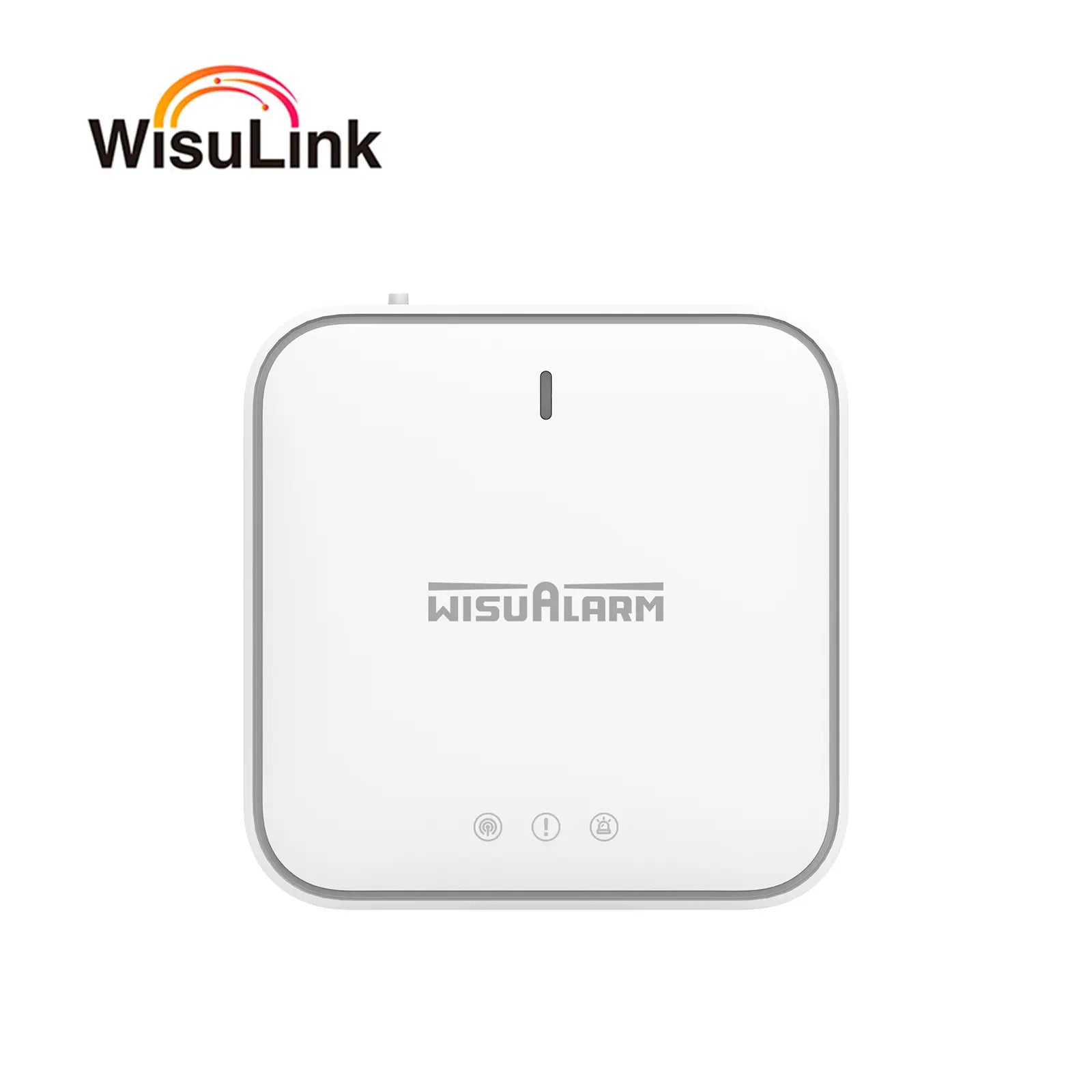
For those who want the ultimate peace of mind, Wisualarm’s interlinked systems can be paired with their Smart Gateway. This allows the interlinked sirens to sound in the house and send an instant notification to your smartphone via the DMSS app. It is the perfect marriage of local sound and remote awareness.
Conclusion: Don't Compromise on Seconds
Fire safety is not about the alarms you have; it's about the time those alarms give you. By choosing an interlinked system, you are ensuring that no matter where a fire or gas leak starts, every person in your home is notified instantly.
Upgrade to Wisualarm today. Whether you are a homeowner in Scotland looking to meet legal requirements, or a safety-conscious resident in London or Cardiff wanting the best for your family, Wisualarm’s interlinked series provides the reliability, compliance, and ease of use you deserve.



Hinterlasse einen Kommentar