


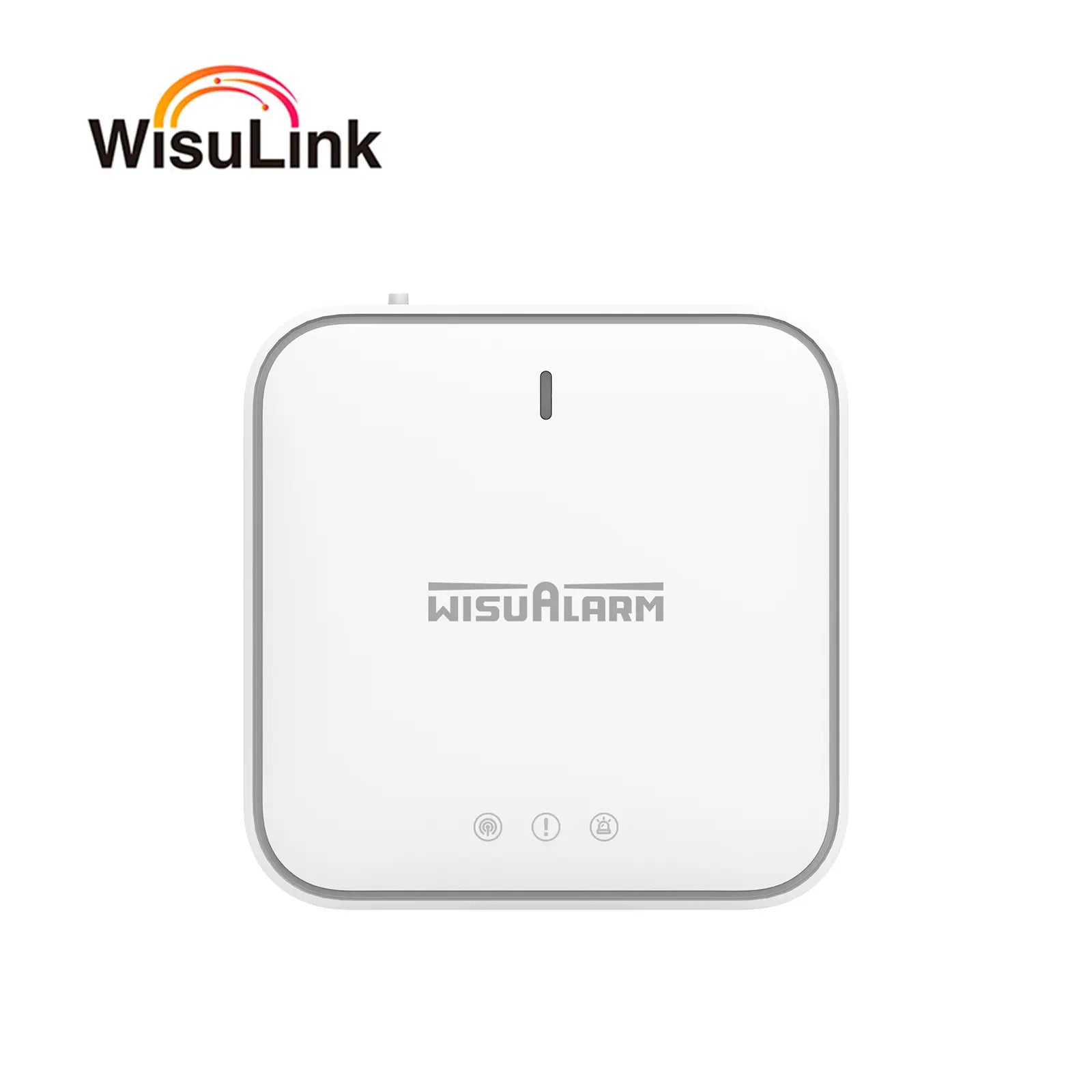


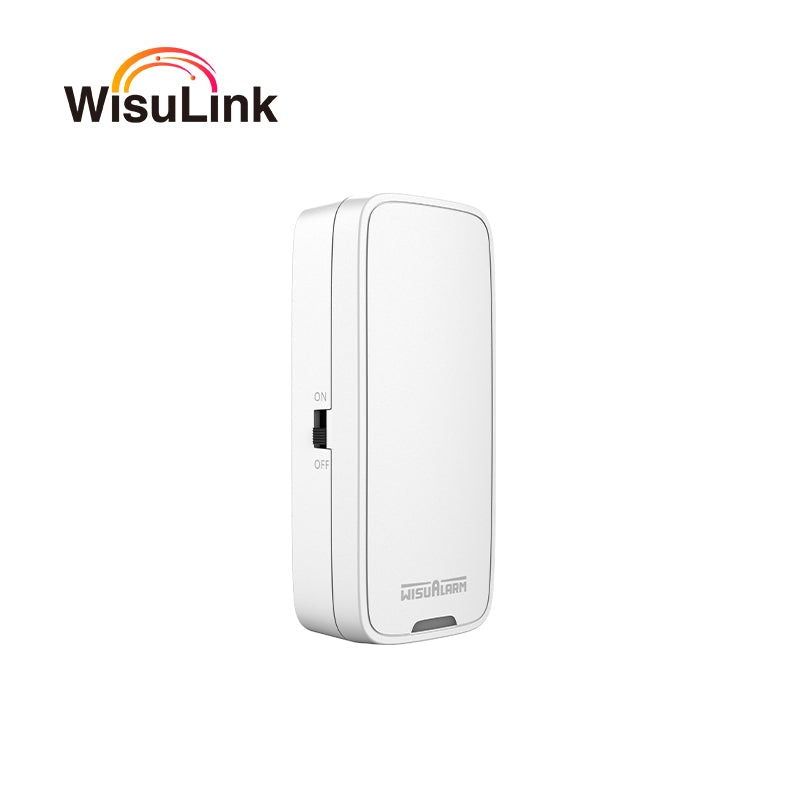


Picture this: A fire ignites in the basement of your two-story home, triggered by a faulty electrical outlet. Your basement smoke alarm blares—but if you’re upstairs, sound asleep, will you hear it in time? For decades, this has been a critical flaw in traditional standalone smoke alarms: their alerts are localized, leaving entire parts of a home vulnerable if the fire starts out of earshot. Enter wireless interconnection smoke alarms—a game-changing technology that turns individual detectors into a unified safety network, ensuring every corner of your home alerts you to danger, no matter where the threat begins.
Gone are the days of relying on the volume of a single alarm to protect your family. Wireless interconnected smoke alarms communicate with one another seamlessly, creating a synchronized system that reacts as one. In this blog, we’ll dive into how this technology works, why it’s a non-negotiable upgrade for modern homes, what to consider when choosing a system, and how Wisualarm’s wireless interconnected smoke detectors set the standard for reliability and peace of mind.
The Flaw in Standalone Smoke Alarms (And Why Interconnection Matters)
Standalone smoke alarms have saved countless lives, but their design is inherently limited. Each detector operates in isolation: it only alerts when smoke is detected within its own sensor range, and its siren can only be heard within a certain distance—usually 30–50 feet, depending on noise levels in the home (e.g., closed doors, fans, or televisions).
This creates dangerous blind spots. A fire in a guest bedroom on the second floor might not be heard by someone in the master bedroom down the hall. A blaze in the garage could go undetected by family members upstairs until smoke or flames spread. Even in smaller homes, factors like hearing impairments, deep sleep, or loud music can muffle standalone alarms, delaying response times.
The statistics paint a stark picture: According to the National Fire Protection Association (NFPA), homes with interconnected smoke alarms have a 50% higher chance of occupants surviving a fire compared to homes with standalone models. Why? Because interconnected systems eliminate localized alerts—when one detector triggers, all detectors trigger, ensuring the alarm is heard everywhere in the home. This extra time (often 60–90 seconds) can mean the difference between escaping safely and tragedy.
Wired interconnected systems have existed for years, but they require professional installation and wiring throughout the home—making them costly and impractical for older homes or renters. Wireless interconnected systems solve this problem: they offer the same unified protection without the need for hardwiring, making them accessible to every homeowner.
How Wireless Interconnected Smoke Alarms Work
Wireless interconnected smoke alarms operate on the principle of a “mesh network”—a system where each detector acts as a node that communicates with other nodes (detectors) in the network. Unlike standalone models, which only process their own sensor data, wireless interconnected detectors share information with one another, creating a coordinated response. Here’s a breakdown of the technology:
1. Core Components: Detectors, Sensors, and Transceivers
Each wireless interconnected smoke alarm has three key components:
-
Smoke sensor: Either photoelectric, ionization, or dual-sensor (the same as standalone models) to detect smoke particles.
-
Wireless transceiver: A built-in radio module that sends and receives signals to/from other detectors in the network. This is the “heart” of the interconnection feature.
-
Siren and LED indicators: To sound the alarm and provide visual alerts (e.g., a flashing red light) when triggered.
2. Wireless Communication Protocols
The transceivers in wireless interconnected detectors use low-power, reliable communication protocols to exchange signals. The most common options are:
-
Zigbee: A low-power, mesh network protocol designed for smart home devices. Zigbee is ideal for smoke alarms because it allows detectors to “pass” signals to one another—if two detectors are too far apart to communicate directly, a third detector can relay the signal, extending the network’s range. Zigbee networks can support up to 65,000 devices, making them scalable for large homes.
-
Z-Wave: Similar to Zigbee, Z-Wave is a low-power mesh protocol that’s widely used in smart home systems. It offers excellent reliability and range, though it supports fewer devices (up to 232) than Zigbee—still more than enough for most homes.
-
Proprietary protocols: Some manufacturers use their own custom wireless protocols. These are often optimized for their specific detectors but may lack compatibility with other brands.
Most modern systems operate on frequencies (e.g., 2.4 GHz) that avoid interference with Wi-Fi, Bluetooth, or other household devices, ensuring consistent communication.
3. The Alarm Trigger Sequence
When a wireless interconnected detector senses smoke, it follows a precise sequence to alert the entire network:
-
The detecting unit triggers its local siren and LED indicator.
-
It sends a wireless signal to all other detectors in the network, notifying them of the threat.
-
Within milliseconds, every detector in the network activates its siren and LED, creating a synchronized alert throughout the home.
-
If the threat is eliminated (e.g., a false alarm from burnt toast), silencing one detector silences all others—no need to run from room to room.
4. Power Sources: Battery-Powered vs. Hardwired with Backup
Wireless interconnected systems are available in two power configurations:
-
Battery-powered: The most flexible option—detectors run on long-life lithium-ion or alkaline batteries (often 5–10 years) and require no wiring. They’re easy to install and ideal for renters, older homes, or areas without electrical outlets (e.g., garages, attics).
-
Hardwired with battery backup: These detectors are connected to your home’s electrical system but include a backup battery for power outages. They’re more permanent than battery-powered models and eliminate the need for battery replacements (though the backup battery still needs periodic checks).
The Unmatched Benefits of Wireless Interconnected Smoke Alarms
Wireless interconnection isn’t just a “nice-to-have” feature—it’s a critical upgrade that transforms home fire protection. Here are the key benefits that make these systems a must for every household:
1. Whole-Home Alert Coverage (No More Blind Spots)
This is the most important advantage. Whether a fire starts in the basement, kitchen, or attic, every detector in the home will sound, ensuring you hear the alert no matter where you are. For families with children, elderly members, or anyone with hearing impairments, this synchronized alert can be life-saving.
Example: If your teenager is in their upstairs bedroom with noise-canceling headphones on, a fire in the kitchen would trigger their bedroom detector, pulling them out of their focus and alerting them to danger.
2. Faster Escape Times
The NFPA reports that the average time from a fire’s start to flashover (when the entire room is engulfed in flames) is just 3 minutes. Wireless interconnected systems cut down response time by ensuring the alarm is heard immediately, giving your family precious extra seconds to evacuate.
3. Easy Installation (No Professional Electrician Needed)
Unlike wired interconnected systems, which require running wires through walls and ceilings, wireless models are DIY-friendly. Most attach to the ceiling with adhesive strips or screws, and pairing them into a network takes just a few minutes (usually via a button press on each detector). Renters can install them without damaging walls, and homeowners can expand the system easily (e.g., adding a detector when finishing a basement).
4. Simplified False Alarm Management
Standalone alarms force you to silence each one individually if a false alarm occurs (e.g., from cooking smoke). With wireless interconnected systems, silencing a single detector silences the entire network. Most models also have a “hush” feature that temporarily mutes the alarm for 10–15 minutes, giving you time to clear the smoke without disabling the entire system.
5. Scalability and Flexibility
Wireless networks are easy to expand. If you add a new room, garage, or guest house, you can simply purchase an additional compatible detector and pair it with your existing network—no rewiring or complicated setup. Most systems support 10–20 detectors, which is more than enough for even large homes.
6. Integration with Smart Home Systems
Many modern wireless interconnected smoke alarms work with smart home platforms like Amazon Alexa, Google Assistant, or Apple HomeKit. This allows you to:
-
Receive phone alerts when the alarm is triggered (even if you’re away from home).
-
Control the system with voice commands (e.g., “Alexa, test my smoke alarms”).
-
Integrate with other smart devices (e.g., smart lights turning on to guide escape routes, smart locks unlocking for emergency services).
7. Low Maintenance
Wireless interconnected detectors are designed for minimal upkeep. Long-life batteries mean you won’t need to replace them every 6 months (unlike some standalone models), and most have LED indicators or app alerts to notify you of low batteries or sensor issues. Many also self-test periodically, ensuring they’re always in working order.
What to Look for When Choosing a Wireless Interconnected Smoke Alarm System
Not all wireless interconnected systems are created equal. To ensure you’re getting a reliable, effective network, keep these key factors in mind:
1. Sensor Type (Prioritize Dual-Sensor)
The foundation of any smoke alarm is its sensor. Opt for dual-sensor detectors (photoelectric + ionization) that detect both slow-burning, smoldering fires (e.g., a smoldering couch) and fast-burning, flaming fires (e.g., a grease fire). Single-sensor models may miss certain types of fires, leaving your home vulnerable.
2. Communication Protocol and Range
Choose a system that uses a reliable mesh protocol like Zigbee or Z-Wave—these offer better range and signal stability than proprietary protocols. Check the manufacturer’s specs for the maximum range between detectors (usually 100–300 feet line of sight) and ensure it covers your home’s size. Mesh networks are ideal for large or multi-story homes, as they relay signals between detectors.
3. Battery Life and Power Backup
For battery-powered systems, look for detectors with long-life lithium-ion batteries (5+ years) instead of alkaline batteries (which need replacement every 1–2 years). For hardwired systems, ensure the backup battery lasts at least 72 hours—critical during extended power outages.
4. Compatibility (With Your Home and Other Devices)
If you have a smart home, choose a system that’s compatible with your existing platform (Alexa, Google Home, etc.). Also, ensure the detectors are compatible with each other—some brands only work with their own models, so you can’t mix and match.
5. Alarm Volume and Audibility
The NFPA requires smoke alarms to have a minimum volume of 85 decibels (dB) at 10 feet. Look for detectors with 90+ dB sirens, especially if your home has thick walls or large rooms. Some models also have adjustable volume or voice alerts (e.g., “Smoke detected in kitchen”) for added clarity.
6. Certification and Warranty
Always choose detectors certified by a reputable organization like CE (Conformité Européenne) or BSI (British Standards Institution)—this ensures they meet strict EU and UK safety standards, which are paramount for British homeowners. Look for a warranty of at least 5 years (10 years is ideal) to cover defects in materials or workmanship.
7. Additional Features
Consider extra features that add value to your system:
-
Standalone carbon monoxide (CO) detection compatibility: Many British homes prioritise separate, dedicated CO alarms for enhanced reliability—look for wireless smoke alarms that can integrate with standalone CO detectors to create a cohesive safety system.
-
App connectivity: Receive remote alerts, monitor battery levels, and test the system from your phone.
-
LED indicators: Visual alerts for low batteries, alarm status, or network connectivity.
-
Weather resistance: For detectors installed in garages, attics, or outdoor spaces.
Wisualarm Wireless Interconnected Smoke Alarms: Your Unified Safety Network
When it comes to wireless interconnected smoke alarms, Wisualarm has redefined what a home safety system should be for British households. Our lineup combines cutting-edge technology, reliable performance, and user-friendly design tailored to UK homes—whether you’re in a London flat, a Cotswolds cottage, or a suburban semi-detached. Here’s why Wisualarm stands above the competition for UK consumers:
1. Photoelectric-Sensor Detection for Maximum Protection
Every Wisualarm wireless interconnected detector features a premium dual sensor (photoelectric + ionization) that detects all types of fires—from smoldering embers to raging flames—faster than single-sensor models. Our sensors are calibrated to minimize false alarms (e.g., from cooking smoke or steam) while ensuring no threat goes undetected.
2. Long-Lasting Battery Life (Up to 10 Years)
Our battery-powered detectors use high-capacity, non-replaceable lithium-ion batteries that last up to 10 years—no more frequent battery changes. Hardwired models include a 72-hour backup battery, so you’re protected during power outages. The Wisualarm app sends low-battery alerts 60 days in advance, so you’re never caught off guard.
3. App Connectivity
Wisualarm detectors work with Wisualarm APP. Our intuitive mobile app lets you:
-
Receive instant push notifications(even if you’re away from home).
-
Silence false alarms remotely with a single tap.
-
Monitor battery levels, sensor health, and network status for every detector.
-
Test the entire system with one command (via the app or voice).
-
Share access with family members, so everyone stays informed.
4. Loud, Clear Alerts with Voice Notifications
Our detectors feature 85 dB sirens—ensuring the alarm is heard even in noisy environments. Premium models also include voice alerts (e.g., “Smoke detected”) that tell you exactly where the threat is, eliminating confusion during an emergency.
5. Seamless Integration with UK-Favoured Standalone CO Alarms
We understand British homeowners often prefer dedicated carbon monoxide detectors for superior accuracy—and Wisualarm smoke alarms are designed to work in harmony with them. Our wireless network can sync with most popular standalone CO alarms on the UK market, ensuring that if either threat is detected, all connected devices trigger alerts throughout your home. This approach aligns with British safety habits, keeping your system focused and reliable.
Many Wisualarm models combine smoke and CO detection, providing all-around protection against two deadly threats. Our CO sensors are highly sensitive, detecting low levels of the gas before it becomes dangerous, and trigger the same interconnected alert as smoke—ensuring you’re notified everywhere in the home.
6. CE Certification and UK-Tailored 5-Year Warranty
All Wisualarm detectors hold CE certification, meeting rigorous EU and UK safety standards that British consumers trust. We also back our products with a 10-year warranty—one of the longest in the UK market—covering parts, labour, and even battery replacements (for battery-powered models). This commitment to quality gives you the reassurance that’s essential for UK homes, from historic properties to new builds.
All Wisualarm detectors are CE-certified, meeting the highest safety standards in the industry. We back our products with a 5-year warranty—one of the longest in the market—covering parts, labor, and even battery replacements (for battery-powered models).
7. DIY Installation Perfect for UK Homes
Wisualarm detectors are designed for the hassle-free setup British renters and homeowners need. Many UK properties—especially older ones—have tricky wiring or listed building restrictions, so our no-wire design is ideal. Each kit includes adhesive strips (safe for painted ceilings) and corrosion-resistant screws, so you can mount them in minutes without damaging walls. Pairing detectors into a network takes just a press of a button, making it easy to expand coverage for loft conversions or extensions—common in UK homes.
Wisualarm detectors are designed for hassle-free setup. Each kit includes adhesive strips and screws, so you can mount them in minutes—no wiring, no tools, no professional help needed. Pairing detectors into a network is as simple as pressing the “pair” button on each unit; the system automatically recognizes new detectors.
Final Thoughts: Protect Your Home as a Unified Whole
A home’s safety is only as strong as its weakest link—and with standalone smoke alarms, that weak link is localized alerts. Wireless interconnected smoke alarms eliminate this flaw, turning individual detectors into a unified network that protects every corner of your home. They’re not just an upgrade—they’re a necessary investment in your family’s safety.
Wisualarm’s wireless interconnected smoke detectors combine the best in sensor technology, connectivity, and user-friendly design—all tailored to British living. Whether you’re a renter in a city apartment, a homeowner in a rural cottage, or someone with a smart home setup (popular across the UK), Wisualarm has a solution that fits your needs and budget, while complying with UK safety guidelines.
Don’t leave your family’s safety to chance. Upgrade to Wisualarm’s wireless interconnected system today and enjoy the peace of mind that comes with knowing every part of your home is watching out for you.



Lascia un commento