





When temperatures drop, homes change in ways we don't always notice. Windows stay shut for longer, heating runs more often, portable heaters come out of storage, and families spend more time indoors.
That makes autumn and winter a useful time to look beyond whether you have a smoke alarm or carbon monoxide (CO) alarm. The more important question is whether your existing setup still suits the way you use your home.
This winter home safety checklist focuses on the checks that are easy to overlook — from whether every alarm can be heard with bedroom doors closed to whether your interconnected devices will alert you in the right rooms.
1. Check Whether Your Alarms Still Match Your Home
Have you changed the way you use your home since you last checked your alarms?
A spare bedroom may have become a home office. A loft may now be used regularly. A new appliance, a different room layout or a change in where people sleep can affect whether your existing alarm coverage is still appropriate.
Rather than simply counting the alarms on your ceilings, walk through your home and ask:
-
Can an alarm be heard from the rooms where people sleep, including with doors closed?
-
Are there regularly used rooms where a fire could start but no suitable detection is installed?
-
Have you added a room, converted a loft or changed how a space is used?
-
If a fire starts away from the hallway, will people elsewhere in the home receive a warning?
For larger or multi-storey homes, a single alarm sounding in one location may not be enough to alert everyone promptly. Review the layout as a whole, following relevant UK guidance and the manufacturer's installation instructions.
2. Don't Confuse a Successful Test with a Complete System Check
Pressing the test button is important, but winter is a good time to check more than whether an alarm makes a sound.
If your alarms are interconnected, test each unit according to its instructions and confirm that the other linked alarms respond as expected. A test that checks only one device may not tell you whether the whole system is working together.
Check these three things:
-
The individual alarm: Does it respond to its test button and sound clearly?
-
The interconnection: When one compatible alarm is tested, do the other linked alarms activate as the instructions describe?
-
The warning throughout the home: Can the sound be heard where people spend time, particularly in bedrooms?
Also check the manufacture date, service life and replacement guidance for each unit. A device that still beeps or passes a basic button test should not automatically be assumed to be in good condition indefinitely.
Follow the testing frequency in the manufacturer's instructions and applicable local guidance. The UK Government's Fire Kills campaign recommends testing smoke alarms at least monthly.
3. Review Your CO Alarm Before Heating Season Gets Busy
Carbon monoxide is not a winter-only risk, but heating season is a sensible time to check that your protection is ready.
If your home has a fuel-burning appliance — such as a gas boiler, gas fire, log burner or oil-fired heating system — check that you have suitable CO detection wherever it is required. Follow the alarm manufacturer's guidance for positioning, testing and replacement.
Look beyond whether the device is present:
-
Is it installed in the location specified by its instructions?
-
Is it within its stated service life?
-
Does the test button work as described?
-
Have you checked the recommended replacement date?
-
Has the relevant fuel-burning appliance been maintained by a suitably qualified professional?
A CO alarm is a warning device, not a substitute for proper appliance maintenance or ventilation. Never rely on the absence of an alarm alone to establish that a fuel-burning appliance is safe.
For further guidance, see East Riding of Yorkshire Council's carbon monoxide safety advice.
4. Think About How a Warning Travels Through Your Home
The useful question isn't simply which alarm detects smoke or heat. It's what happens after the first alarm detects a potential fire.
Imagine a fire starting downstairs while someone is upstairs with a bedroom door closed. If the alarm nearest the fire sounds but the warning does not reach the other floor clearly, the system may not provide the level of notification the household expects.
Interlinked alarms are designed so that when one compatible unit activates, the other linked units also sound. This can help spread the warning through the property rather than relying on one alarm being audible everywhere.
Before buying additional alarms, check compatibility carefully. Wireless interconnection systems are not automatically interchangeable across brands or product ranges. Confirm which models can connect to one another and whether any hub or gateway is required for the features you want.
It is also worth distinguishing two separate functions:
-
Local alarm interconnection: compatible alarms communicate with each other and sound when triggered.
-
App notifications: a compatible connected system sends alerts to a phone through its gateway or network connection.
These functions are not the same. For systems that support local radio-frequency interconnection, the alarms may still communicate locally without home Wi-Fi, but app notifications may depend on the gateway, internet connection and the system's design. Always check the specifications of the particular model.
5. Revisit Alarm Placement When Rooms Are Used Differently
Winter often means more cooking, more time in living rooms and more use of heating appliances. That can make it worth reviewing whether alarms are installed in suitable locations — not simply adding more devices at random.
For example, a smoke alarm placed where cooking fumes or steam frequently reach it may cause nuisance activations. Repeated unwanted alarms can tempt people to silence or disconnect a device, which creates a different safety problem.
Instead of moving or removing an alarm without checking the guidance, review the intended use of each room and the manufacturer's positioning instructions. A heat alarm may be appropriate in a kitchen where a smoke alarm would be unsuitable, while smoke alarms are needed in other appropriate areas of the home.
The goal is a system designed for the actual layout and risks of the property, with each alarm installed in a suitable position and able to communicate with compatible devices where interconnection is provided.
For practical UK guidance, see the London Fire Brigade's advice on smoke and heat alarms.
6. Check the Details That Are Easy to Forget
A quick visual check can reveal small problems before you need the alarm.
Look for dust or dirt around the casing, signs of damage, paint or decorations covering the unit, and any recurring beeps that may indicate a fault or low battery. Clean the alarm only as instructed by its manufacturer; do not open or modify it unless the instructions specifically allow it.
If your alarms use replaceable batteries, check the battery guidance. If they use sealed long-life batteries, remember that the battery life does not mean the entire alarm can remain installed indefinitely. The unit still has a stated service life and must be replaced as directed.
If an alarm repeatedly activates without an obvious cause, investigate the reason rather than leaving it disconnected. If it sounds and you cannot establish that it is a nuisance activation, treat it as a possible emergency and follow fire service guidance.
7. Choose an Alarm System That Fits Your Household
If your checks reveal gaps, use them to decide what needs to change. Buying more alarms is not necessarily the answer if the real issue is poor placement, incompatible devices or a warning that cannot be heard in another part of the home.
When comparing options, consider:
-
Coverage: Does the system suit the size and layout of your home?
-
Interconnection: Can compatible smoke and heat alarms activate together?
-
Power and maintenance: Does the power arrangement suit your property, and what testing and replacement does it require?
-
Connectivity: Do you need local interconnection only, or do you also want app notifications?
-
Compliance: Does the product meet the relevant standard for its intended use in the UK? Check the exact product documentation rather than relying on general marketing claims.
For households looking to coordinate warnings across several rooms, a compatible wireless interlinked setup can be one option to consider.
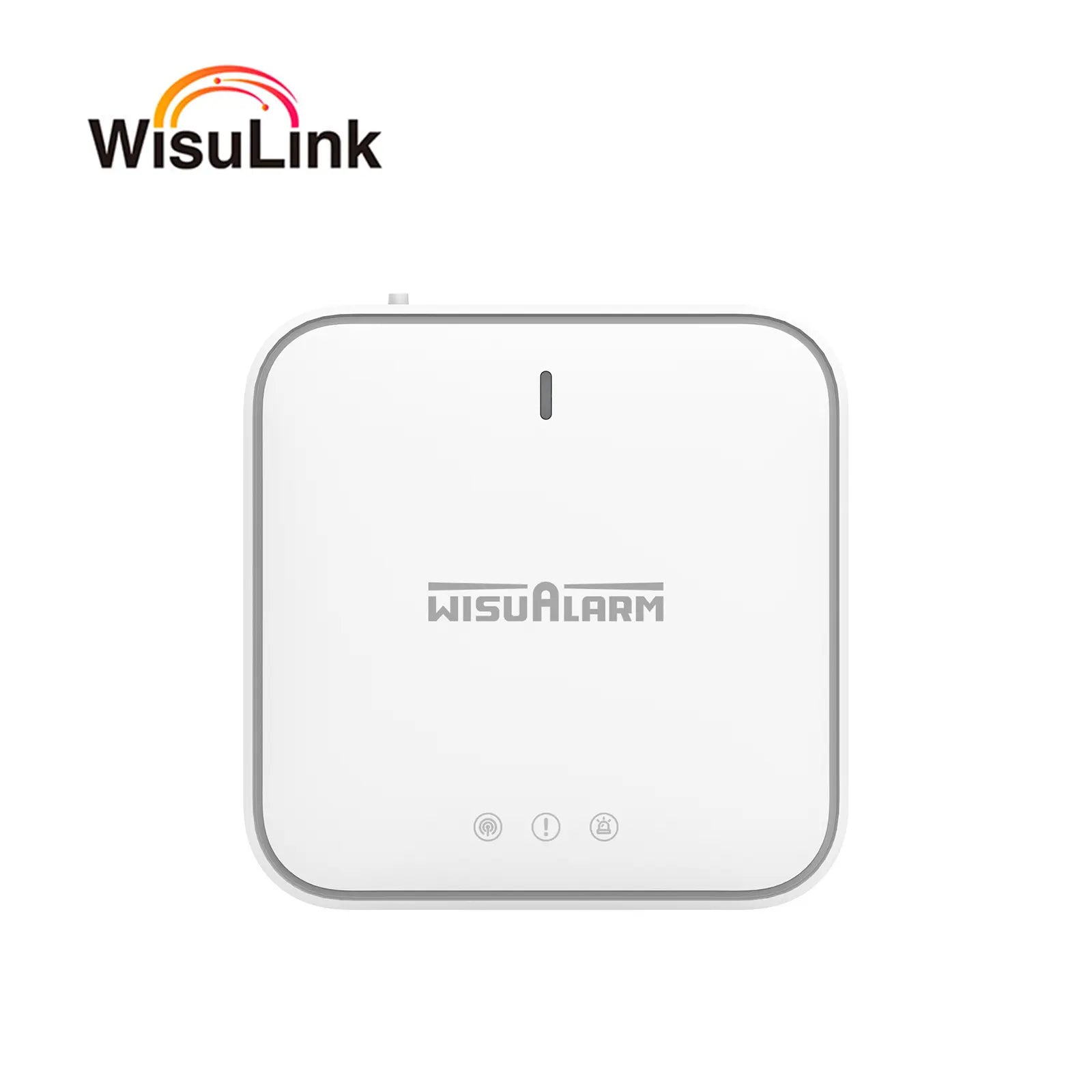
For a more connected approach to winter home safety, explore the Wisualarm Smart Home alarm system. With a smart gateway linking compatible smoke, heat and carbon monoxide alarms, you can receive app notifications when you're away from home, check device status and manage alarms through the Wisualarm app. It's a practical option for households that want more than audible alerts at home.

A Practical Winter Check Before the Cold Sets In
Before the heating season gets busier, take a few minutes to walk through your home and review your alarm setup. Confirm that alarms work, interconnected devices respond as expected, CO protection is appropriate for your appliances, and the system still suits the way each room is used.
The aim isn't to add devices for the sake of it. It's to make sure the warnings your household depends on are in the right places, work together where intended and remain suitable for your home.
Frequently Asked Questions
How often should I test my smoke alarm in the UK?
The Fire Kills campaign recommends testing smoke alarms at least monthly. Some local fire services recommend weekly testing, so follow the applicable guidance and your manufacturer's instructions.
Should I check my CO alarm before winter?
Yes. Check its condition, test procedure and replacement date before heating use increases. Have fuel-burning appliances serviced by an appropriately qualified professional.
Do wireless interlinked smoke alarms need Wi-Fi?
Not always. Some systems use local wireless communication between compatible alarms. App notifications may require a gateway and internet connection, depending on the product.
When should a smoke alarm be replaced?
Follow the service life and replacement date stated by the manufacturer. A successful test does not mean a device can be used indefinitely.
Can I add a new alarm to my existing interlinked system?
Only if the new model is compatible with the existing system. Check the manufacturer's compatibility information before purchasing additional devices.



Lascia un commento