






2026 Home Safety: More Than Just Smoke Modern UK homes are smarter and more complex, featuring open-plan layouts, more electrical devices, and gas-powered heating. A single smoke alarm is no longer enough.
Hidden Risks Strike Fast Fire, carbon monoxide, gas leaks, and overheating appliances are silent threats that often occur long before you see smoke or flames.
As homes become larger, more connected and increasingly dependent on electrical and gas-powered appliances, there is growing interest in integrated safety systems that can monitor multiple hazards from a single platform.
Why Multi-Risk Protection Is Becoming More Common
No single device can monitor every potential hazard within a property.
Because different risks can occur in different rooms and under different circumstances, many homeowners are choosing to combine smoke alarms, heat alarms, carbon monoxide alarms, and gas detectors to create broader protection throughout the home.
This approach is particularly relevant for:
- Multi-storey homes
- Detached and semi-detached houses
- Homes with gas boilers or fuel-burning appliances
- Properties with utility rooms or integrated garages
- Growing families seeking whole-home coverage
Rather than focusing on one type of detection, the goal is to ensure the right protection is available in the right location based on risk zoning, where different areas of a property are matched with appropriate detection types rather than treating the home as a uniform space.
Living and Sleeping Areas: Smoke Detection
Bedrooms, hallways, and living spaces require early-stage fire detection, where response time is critical.
Smoke detection in these zones is designed to identify combustion at its earliest stage, providing essential warning for safe evacuation across primary escape routes and occupied rooms.
Kitchens and Utility Spaces: Heat Detection
In high-activity areas such as kitchens and utility rooms, environmental conditions like steam, cooking vapour, and temperature fluctuation are common.
Heat detection is typically used in these zones to focus on rapid temperature increase detection, helping maintain reliable alerting without interference from normal cooking activity.
Appliance and Fuel-Based Risk Areas: CO and Gas Detection
Areas connected to boilers, gas lines, fireplaces, or other fuel-burning appliances require monitoring for invisible hazards.
Carbon monoxide and methane detection systems are designed to identify risks that cannot be detected visually or through smell, providing continuous monitoring at the source of potential exposure.
These detection types are typically positioned near combustion-related installations where risk concentration is higher.
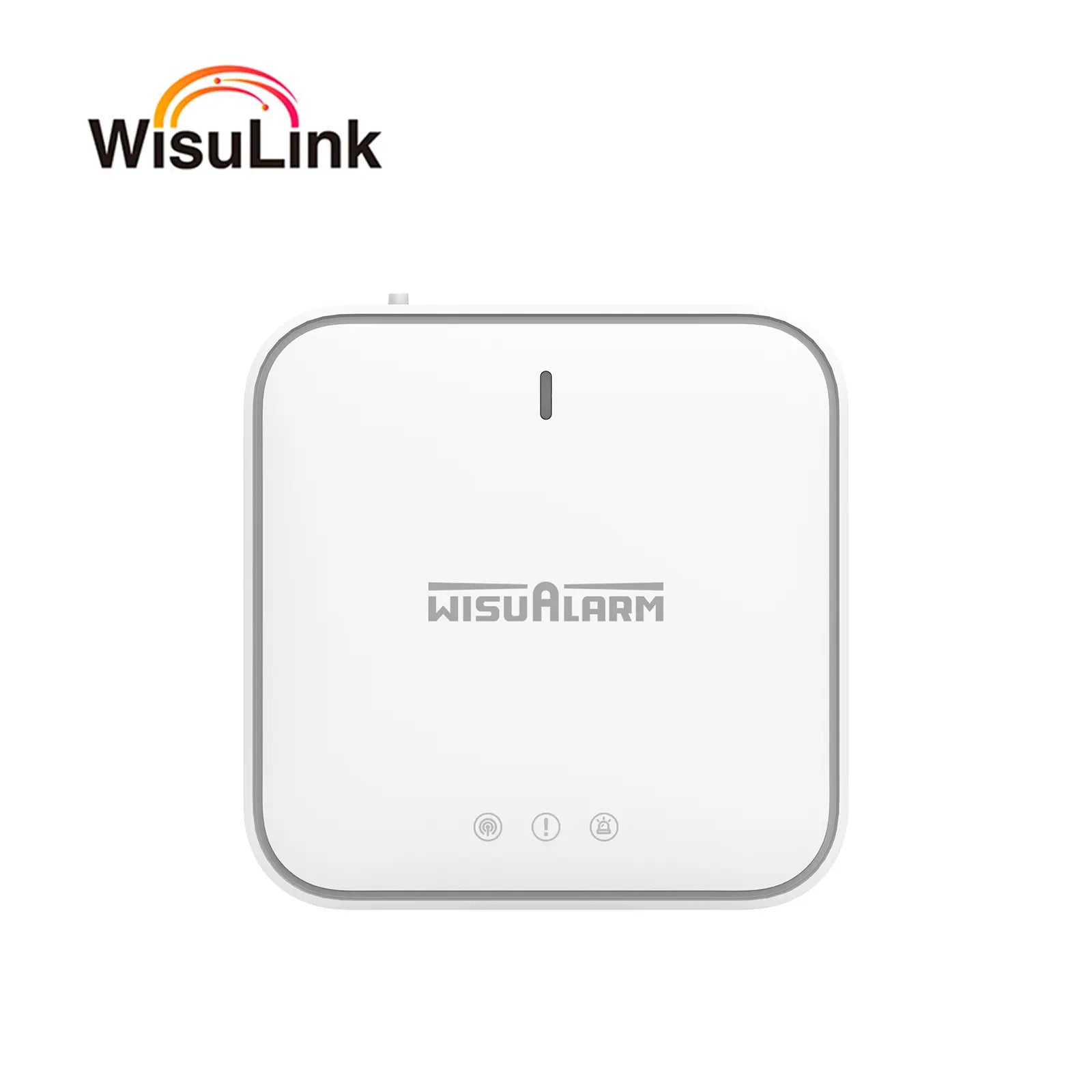
System Coordination Layer: Smart Gateway Connectivity
Beyond individual detection zones, modern home safety systems often include a central coordination layer.
A smart gateway enables all connected devices to operate as a unified network, ensuring that when one hazard is detected, alerts are distributed across the entire system in real time.
This layer also supports remote visibility, allowing homeowners to receive notifications and system updates through connected devices.
Building Your Proactive Defense
Effective home safety is a design choice, not a one-time installation. By structuring your home with the right sensor in the right location—balanced between fire, heat, and gas detection—you create a resilient environment that responds to your home's unique layout.
Relavant Kit: Total Home Sentinel & Gas Security Elite



Lascia un commento