





If you're buying a smart smoke alarm in the UK, don't just check its sensor, battery life or app features.
Check how long it will receive security updates.
Under the UK's Product Security and Telecommunications Infrastructure (PSTI) regime, manufacturers of relevant consumer connectable products must provide information about the minimum period for which security updates will be provided. The regime has applied since 29 April 2024. UK Government guidance also specifically identifies connected smoke detectors and connected alarm systems as examples of products covered by the regime (Source: UK Government – PSTI Product Security Factsheet).
For a smart smoke alarm, this matters because the physical alarm and its connected features can have different lifespans.
Why Does the Security-Update Period Matter?
A smart smoke alarm has two things to consider.
Physical lifespan
How long the alarm, sensor and battery are designed to operate.
Digital support lifespan
How long its firmware, security features, app and connected services are supported.
These periods are not necessarily the same.
The UK PSTI regime also covers requirements around secure passwords and vulnerability reporting, alongside information about security-update periods (Source: UK Government – Regulations: Consumer Connectable Product Security).
So before buying, look for:
- Security-update period
- Support end date
- App and firmware support
- What happens when support ends
A 10-year smoke alarm does not automatically mean 10 years of software or app support.
Will a Smart Smoke Alarm Work If Wi-Fi Goes Down?
It depends on the system:
Build a Smarter Whole-Home Safety System
A smart smoke alarm can have several separate functions:
| Function | Internet usually required? |
|---|---|
| Smoke detection | No |
| Local alarm | No |
| Wireless interconnection | Product-dependent |
| Phone notifications | Usually yes |
| Remote status | Usually yes |
If your Wi-Fi goes down, you may lose a phone notification without necessarily losing the alarm's ability to detect smoke and sound locally.
Before buying, ask:
Which functions still work if my Wi-Fi or internet connection fails?
This is one of the most important differences between fire detection and smart notification.
What If the App or Cloud Service Stops Working?
A connected smoke alarm may rely on more than the physical device.
Check whether it uses:
- A mobile app
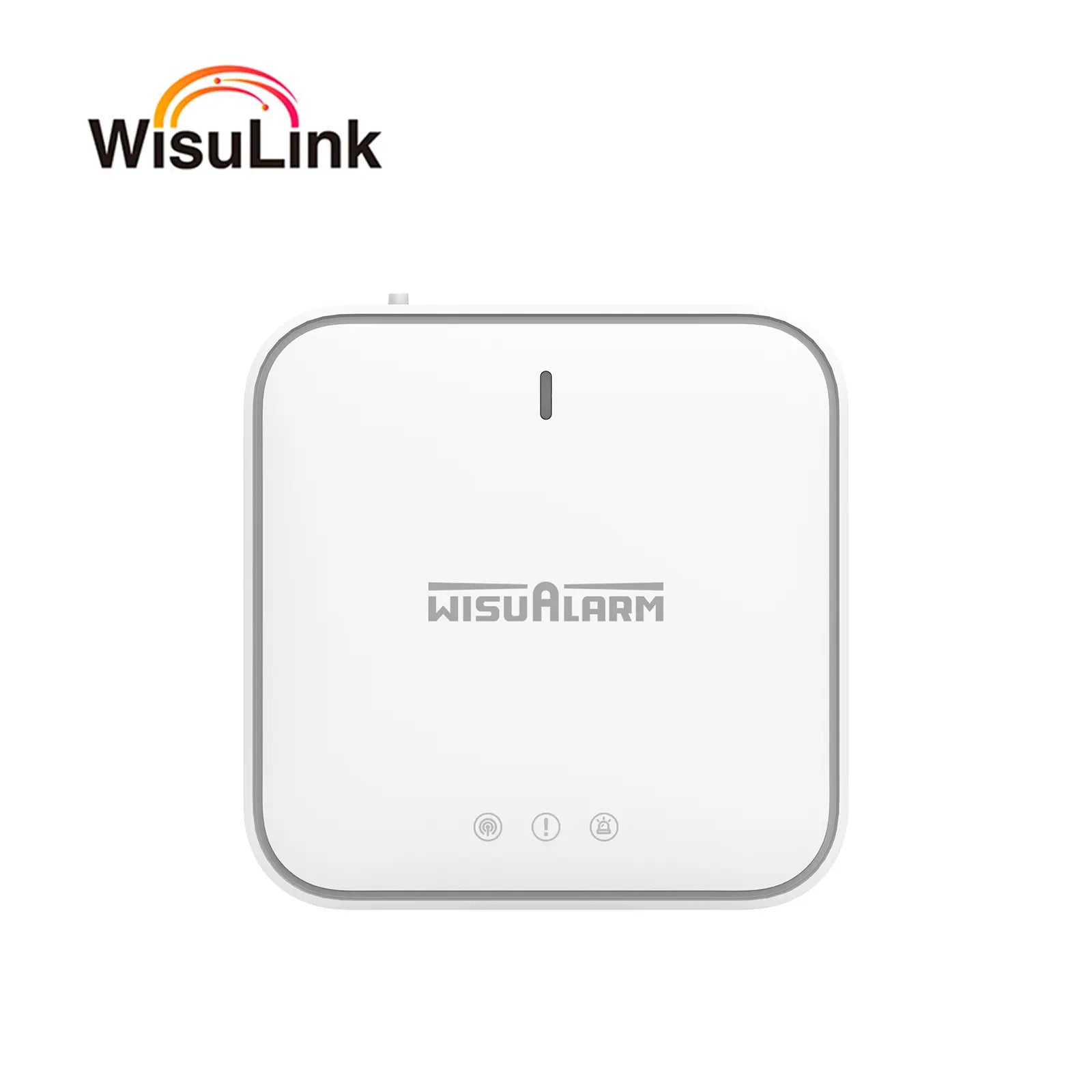
- A gateway
- Cloud services
- Firmware updates
- An online account
More importantly, find out what happens if one of these services becomes unavailable.
Recent smart-home discussions show that consumers are already questioning the reliability of smart smoke detectors and whether connected features are appropriate for a safety-critical device. One recent Reddit discussion, for example, focused on a user's experience with a smart smoke detector and concerns around reliability (Source: Reddit – r/smarthome, “My Experience with Owl Smart Smoke Detector”).
The takeaway is simple:
Smart features should add convenience and awareness, not replace reliable fire detection.
Does PSTI Replace Fire-Safety Certification?
No.
PSTI deals with the security of applicable connected products. It does not replace the fire-safety requirements that apply to smoke alarms.
When choosing a smart smoke alarm, consider both:
Fire safety
Detection performance and relevant standards
Product security
Passwords, vulnerability reporting and security updates
You need both—not one instead of the other.
Why Is Connected Fire Safety Becoming More Important?
The wider fire-safety industry is also paying more attention to the relationship between connectivity and cybersecurity.
In June 2026, Euralarm published its White Paper “Fire Safety in a Connected World”, highlighting how fire detection, remote services and cybersecurity are increasingly being integrated into connected fire-safety systems (Source: Euralarm – Fire Safety in a Connected World).
For homeowners, this means a smart smoke alarm is no longer simply about having an app.
What Should You Check Before Buying?
Keep it simple. Ask these five questions:
1. Does it meet the relevant fire-safety requirements?
Check the applicable standards and certifications for the UK market.
2. How long will security updates be provided?
Look for the minimum security-update period and support end date.
3. What happens if Wi-Fi goes down?
Check which functions continue to work without internet access.
4. What happens when support ends?
Understand what happens to the app, firmware and connected services.
5. Can it work as part of a whole-home system?
If you want wider protection, check compatibility between your smoke, heat and CO alarms, and whether a gateway is required.
Deep Thinking:

A smart smoke alarm isn't simply a smoke alarm with an app.
For UK buyers, fire-safety performance, offline operation, cybersecurity and long-term support all matter.
The PSTI regime makes security information more transparent for applicable connected products, but it doesn't change the most important principle:
Your alarm should remain reliable when you need it most. Smart connectivity should add another layer of protection—not become a point of failure.



Lascia un commento