






For UK landlords, managing a rental property is no longer just about collecting rent and maintaining the fabric of a building. It is about compliance, safety, and fulfilling a profound duty of care. Among the myriad of regulations, fire safety remains the most critical. A fire can destroy an asset in minutes, but more importantly, it can cost lives.
As of the latest legislative updates in 2022 and 2023, the rules regarding smoke alarms in rental properties have become stricter than ever. Whether you are a seasoned portfolio landlord or a first-time accidental landlord, understanding the nuances of fire detection is essential to stay on the right side of the law and ensure your tenants sleep soundly.
1. The Legal Landscape: UK Regulations Explained
In the UK, fire safety laws for landlords vary slightly depending on which nation the property is in. However, the common thread is a shift toward higher standards and more interconnected systems.
England: The 2022 Update
The Smoke and Carbon Monoxide Alarm (Amendment) Regulations 2022 mandates that:
-
At least one smoke alarm must be installed on every storey of the property used as living accommodation.
-
Landlords must ensure alarms are repaired or replaced once informed of a fault.
-
While battery-powered alarms are still permitted in many existing private tenancies, there is a strong recommendation toward "sealed-for-life" lithium batteries or mains-wired systems.
Scotland: The Gold Standard
Scotland currently has the strictest rules in the UK. Since February 2022, all homes (including rentals) must have an interlinked fire alarm system. This means if one alarm goes off, they all go off. The requirement includes:
-
One smoke alarm in the room you spend most of the day in (e.g., living room).
-
One smoke alarm in every circulation space (e.g., hallways and landings).
-
One heat alarm in every kitchen.
-
All alarms must be interlinked.
Wales: The Renting Homes Act
Under the Renting Homes (Wales) Act 2023, landlords must ensure a working smoke alarm is present on every storey and, crucially, that these alarms are mains-powered and interlinked.
2. Choosing the Right Technology: Ionisation vs. Optical
Not all smoke alarms are created equal. Traditionally, many homes used ionisation alarms because they were cheap. However, the fire safety industry has moved toward Optical (Photoelectric) Alarms.
-
Ionisation Alarms: These are sensitive to fast-flaming fires but are notoriously prone to "nuisance alarms" from burnt toast.
-
Optical Alarms: These are much better at detecting slow-smouldering fires (like those caused by soft furnishings or faulty wiring). In a rental context, optical alarms are preferred because they are less likely to be disabled by frustrated tenants tired of false alarms.
3. The Power of Interlinking (Interconnected Alarms)
The biggest trend in UK fire safety is Interlinking. Why? Because a smoke alarm in a downstairs kitchen is useless if the tenant is sleeping soundly behind a closed door on the second floor and can’t hear it.
Interlinked systems can be:
-
Hard-wired: Connected via electrical cables behind the walls. This is often expensive to retrofit.
-
Radio-Interlinked (Wireless): These use Radio Frequency (RF) to communicate. If one unit detects smoke, it sends a signal to all other units in the house. This is the ideal solution for landlords because it offers high-level safety without the need for messy rewiring or expensive labor.
4. Landlord Responsibilities: Installation and Maintenance
Proper Placement
Placement is governed by BS 5839-6 (the British Standard for fire detection in dwellings).
-
Avoid Dead Air Spaces: Alarms should be at least 300mm away from walls and light fittings.
-
Kitchens: Never put a smoke alarm in a kitchen; use a Heat Alarm instead. Heat alarms trigger based on temperature, not smoke, preventing false alarms from cooking vapours.
-
Hallways: Ensure alarms are placed where they can be heard in bedrooms.
The "Day One" Check
In England, landlords are legally required to check that every alarm is in working order on the first day of a new tenancy. Failure to do so can lead to a fine of up to £5,000.
Routine Testing
While tenants are responsible for testing alarms during the tenancy (usually once a month), landlords should perform a professional check during mid-term inspections and an annual service.
5. The Common Pitfall: Tampering and Battery Issues
One of the biggest headaches for landlords is tenants removing batteries to stop false alarms or use them for TV remotes. This leaves the landlord liable and the tenant at risk. The solution is to install 10-year sealed-unit lithium battery alarms. These cannot be tampered with, and the battery lasts the entire 10-year lifespan of the alarm.
Why Wisualarm is the Smarter Choice for UK Landlords
Navigating these regulations requires reliable hardware. At Wisualarm, we have designed our fire safety range specifically to meet the high demands of the UK rental market, combining professional-grade technology with landlord-friendly features.
The Wisualarm Advantage:
-
Wireless Interlinking Technology: Our interlinked smoke and heat detectors allow you to create a "Scotland-standard" safety network in any UK property without drilling into walls or hiring an electrician for complex wiring.
-
10-Year Sealed Lithium Battery: Forget about annual battery changes. Our "sealed-for-life" units prevent tenant tampering and guarantee 10 years of continuous protection.
-
Optical Sensing Chamber: Wisualarm uses advanced optical sensors that are highly effective at detecting smouldering fires while significantly reducing false alarms from cooking or steam.
-
Sleek, Modern Design: We believe safety shouldn't be an eyesore. Our detectors are compact and discreet, fitting perfectly into modern UK interiors.
-
Full Compliance: Our products are rigorously tested to meet EN 14604 (for smoke) and BS 5446-2 (for heat), ensuring you meet your legal obligations as a landlord.
Choose Your Setup:
-
The Standalone Solution: Perfect for single-storey flats in England.
-
The Interlinked Network: The best-selling choice for multi-storey houses (HMOs) and properties in Scotland and Wales.
-
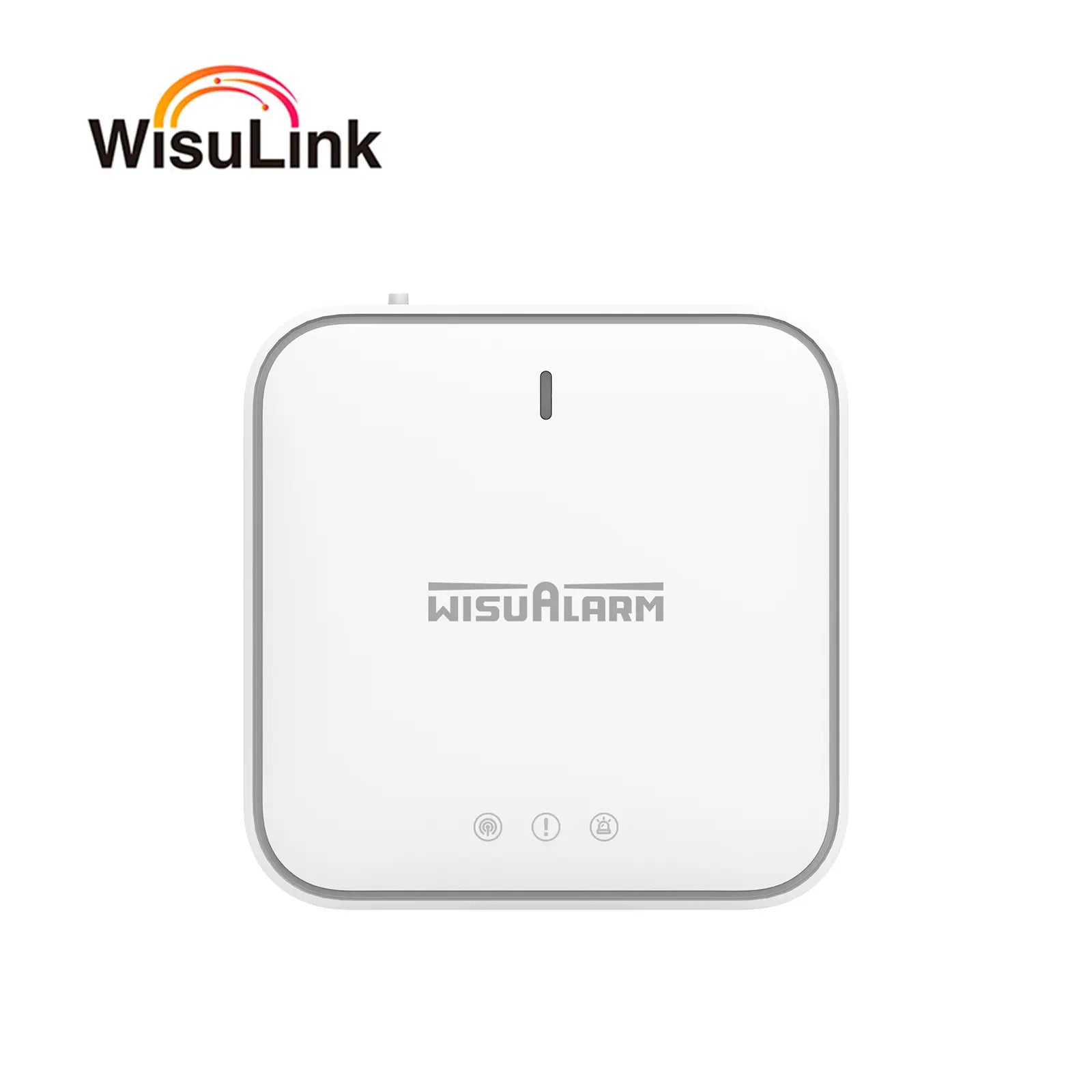
The Smart Gateway System: For ultimate peace of mind, connect your interlinked units to our Wisualarm Gateway. This allows you (or your tenant) to receive instant notifications on a smartphone the second an alarm is triggered.
Protect your tenants, secure your property, and ensure total compliance.



Lascia un commento