






In the UK, carbon monoxide (CO) remains one of the most dangerous invisible hazards in homes. Unlike smoke or gas leaks, CO has no smell, colour, or taste, making it impossible to detect without a dedicated device. For UK homeowners, renters, and landlords, understanding the legal obligations, safety standards, and best practices for carbon monoxide detectors is not just a matter of protection—it’s a legal requirement in some rental properties.
1. UK Legal Requirements: Who Must Install a CO Detector?
The UK has regulations covering carbon monoxide detectors in rental properties, with requirements varying between England, Scotland, and Wales. The rules also depend on the type of property and fuel-burning appliances present:
For Landlords
In England, the Smoke and Carbon Monoxide Alarm (Amendment) Regulations 2022 require relevant landlords to install a CO alarm in any room used as living accommodation that contains a fixed combustion appliance, excluding gas cookers. This applies to private rented properties and includes properties such as houses in multiple occupation (HMOs) where the regulations apply.
In Scotland, CO detection requirements apply to homes where there is a carbon-fuelled appliance or flue, regardless of whether the property is privately rented or owner-occupied. In Wales, landlords must provide a working CO alarm in each room containing a gas, oil or solid-fuel burning appliance under the relevant fitness-for-human-habitation regulations.
Key legal obligations for UK landlords:
- Detectors should comply with the relevant British or European standards (see Section 2 below).
- In England, alarms must be checked to ensure they are working at the start of each new tenancy.
- Landlords must repair or replace faulty detectors when they are reported as faulty.
- In England, failure to comply with the regulations can result in enforcement action and fines of up to £5,000.
For Homeowners
There is no general legal requirement for homeowners in England to install CO detectors in every home. However, CO alarms are strongly recommended where fuel-burning appliances are present. Scotland has statutory CO warning requirements for homes where carbon-fuelled appliances or flues are present, while Wales also has specific requirements covering homes with combustion appliances.
2. UK Standards: What to Look for in a CO Detector
Not all CO detectors are the same. Choosing a device designed to the relevant UK safety standard can help ensure reliable detection and alarm performance. For UK consumers, one of the most important standards to look for is:
British and European Standards
- BS EN 50291: This is the key standard for domestic carbon monoxide alarms. It specifies requirements for alarm performance, including sensor response and resistance to environmental conditions. Look for BS EN 50291 compliance on the product or packaging.
- Kitemark (BSI): The BSI Kitemark is a voluntary certification that provides additional third-party assurance of product testing. It is not a general legal requirement for every domestic CO alarm.
Power Source
CO detectors in the UK typically use one of three power sources:
- Battery-powered: Ideal for rental properties or homes without hardwiring. Long-life battery models can reduce the need for frequent battery changes and may include a low-battery warning.
- Mains-powered with battery backup: These detectors are permanently connected to the home's electrical supply, while the backup battery helps maintain protection during a power cut.
- Hardwired to the mains: Often used in new builds or properties designed for fixed alarm systems. Professional installation may be required depending on the product and installation requirements.
Alarm Features
Useful features to look for in a domestic CO detector include:
- A loud audible alarm—many domestic CO alarms are designed to produce an alarm of at least 85 decibels.
- Visual alerts such as flashing LEDs, which can provide an additional indication alongside the audible alarm.
- A test button for regularly checking that the alarm is functioning correctly, following the manufacturer's instructions.
3. UK-Specific CO Risks: Where to Install Your Detector
CO risks in UK homes are closely linked to fuel-burning appliances such as gas boilers, solid fuel stoves, fireplaces, and oil-fired heating systems. Poor installation, inadequate maintenance, blocked flues, or insufficient ventilation can increase the risk of carbon monoxide exposure.
Key Installation Locations
- Near gas boilers: Install the CO alarm according to the manufacturer's instructions and applicable installation guidance. The exact position and distance from a boiler can vary depending on the appliance and room layout, so avoid placing the alarm directly above the appliance or where it may be affected by heat or ventilation.
- Living rooms with solid fuel stoves: Wood-burning stoves and fireplaces can produce CO if combustion or ventilation is inadequate. Place a CO alarm in the same room as the appliance, following the manufacturer's recommended positioning.
- Bedrooms and hallways: Consider placing a CO alarm near sleeping areas so that an alarm can be heard while people are asleep. Additional alarms may be appropriate where there are multiple fuel-burning appliances or separate areas of the home.
Places to Avoid
- Directly above cookers or heaters, where heat or cooking fumes may affect the alarm.
- Near windows, doors, or vents, where strong air movement may affect how CO reaches the sensor.
- In damp or excessively humid areas, unless the detector is specifically designed for that environment.
4. Maintenance Tips for UK Homes
A CO detector is only effective if it’s properly maintained. Follow these practical tips:
- Test regularly: Use the test button to check the alarm is working correctly, following the manufacturer's instructions. Monthly testing is commonly recommended for household alarms.
- Replace batteries when required: For alarms with replaceable batteries, replace them according to the manufacturer's instructions or when the low-battery warning is activated.
- Replace the detector at the end of its service life: CO sensors have a limited working life. Check the manufacturer's stated service life and replace the alarm when it reaches its end-of-life date or gives an end-of-life warning.
- Get appliances serviced regularly: Have gas appliances serviced by a Gas Safe-registered engineer, and ensure solid fuel appliances and chimneys are properly maintained. For landlords, additional legal safety and inspection requirements apply.
5. Recommendation: Wisualarm CO Detector – Designed for UK Homes
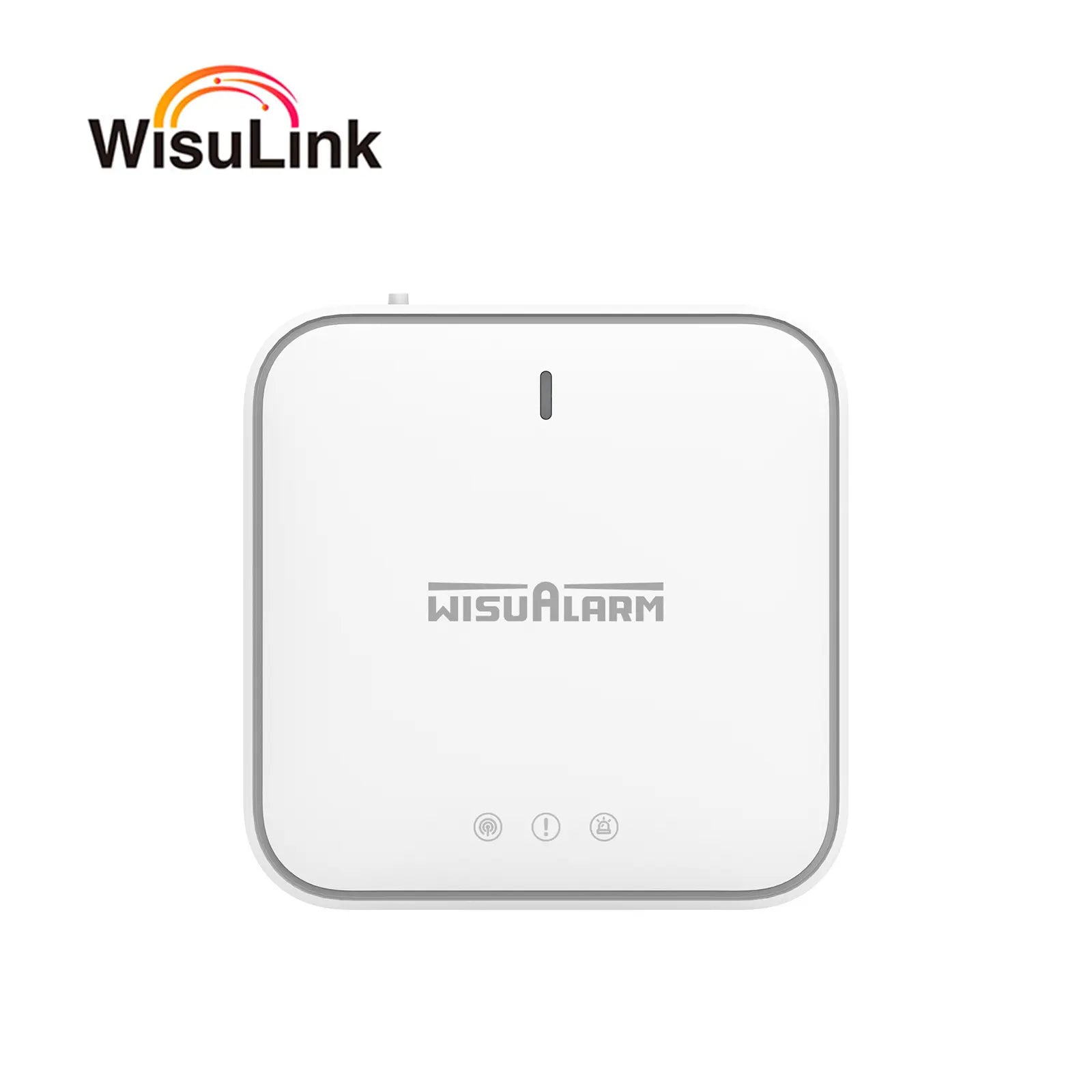
For UK consumers and landlords, the Wisualarm Carbon Monoxide Detector is designed to provide reliable CO detection for residential environments. Key features include:
- BS EN 50291 Certified: Designed to meet the relevant domestic CO alarm standard for reliable carbon monoxide detection and alarm performance.
- UK Warehouse Delivery: Wisualarm products are available from a UK-based warehouse, helping provide faster delivery for UK customers.
- 5-Year Warranty: Backed by a 5-year warranty for additional peace of mind.
- Long-Life Battery Options: Selected models use long-life batteries designed to reduce the need for frequent battery replacement.
- User-Friendly Design: Features such as a test button, low-battery warning, and visual LED indicators make the alarm straightforward to monitor and maintain.
Final Thoughts: CO Safety in the UK
In the UK, carbon monoxide alarms are a legal requirement in certain rental properties and an important safety measure wherever fuel-burning appliances are present. By choosing a CO alarm that complies with BS EN 50291, installing it correctly, and maintaining it according to the manufacturer's instructions, you can help protect your family or tenants from carbon monoxide exposure.
For UK-specific availability, long-term protection, and a range of CO alarm options, the Wisualarm CO Detector range provides models for different residential requirements.
Stay safe—make sure your CO alarm is installed, tested, and within its service life.



Lascia un commento