





Black Friday and Christmas bring new electrical gadgets, kitchen appliances and decorations into many UK homes. But as households prepare for the festive season, it is also worth checking whether their existing fire safety measures are ready.
A recent discussion in the UK landlord community on Reddit raised a practical concern: where should tenants charge electrical devices without putting shared hallways and escape routes at risk? It is a reminder that home fire safety is not just about avoiding hazards. People also need reliable early warning if something goes wrong.
Recent warnings from UK fire and rescue services make this particularly relevant ahead of the festive season.

Why Home Fire Safety Deserves Attention This Christmas
On 23 November 2026, Warwickshire Fire and Rescue Service warned that fires involving consumer electronics, batteries and electrical devices had continued to rise, reaching their highest level locally in 2026.
Its analysis also highlighted a more familiar household risk: cooking appliances were the leading cause of electrical and appliance-related fires in the county over the previous three years. Almost nine in ten of the incidents analysed occurred in homes, with kitchens accounting for 70% of them.
This is a useful reminder during a season when people may be cooking more, using additional electrical equipment and bringing new gadgets into the home.
A few simple precautions can help:
-
Never leave cooking unattended.
-
Avoid overloading sockets and extension leads.
-
Use the correct charger for electrical devices.
-
Keep hallways, stairs and exits clear.
-
Switch off Christmas lights before going to bed.
-
Check that smoke and carbon monoxide alarms are working.
The key is to combine sensible prevention with a reliable alarm system.
Are Your Smoke Alarms Covering the Whole Home?
A working smoke alarm is one of the most important parts of home fire protection. However, having one alarm does not necessarily mean every area of a multi-storey home is adequately covered.
The UK Government recommends testing smoke alarms at least once a month. It also explains that linked alarms can be particularly useful in larger homes or properties spread over several floors: when one alarm detects a fire, the others sound as well.
For households reviewing their setup, it is worth checking:
-
Is there a working smoke alarm on every floor?
-
Can the alarm be heard from bedrooms and living areas?
-
Are any alarms old, damaged or regularly beeping?
-
Are alarms tested monthly?
If your current alarms are standalone units, upgrading to a wireless interconnected system may be worth considering.
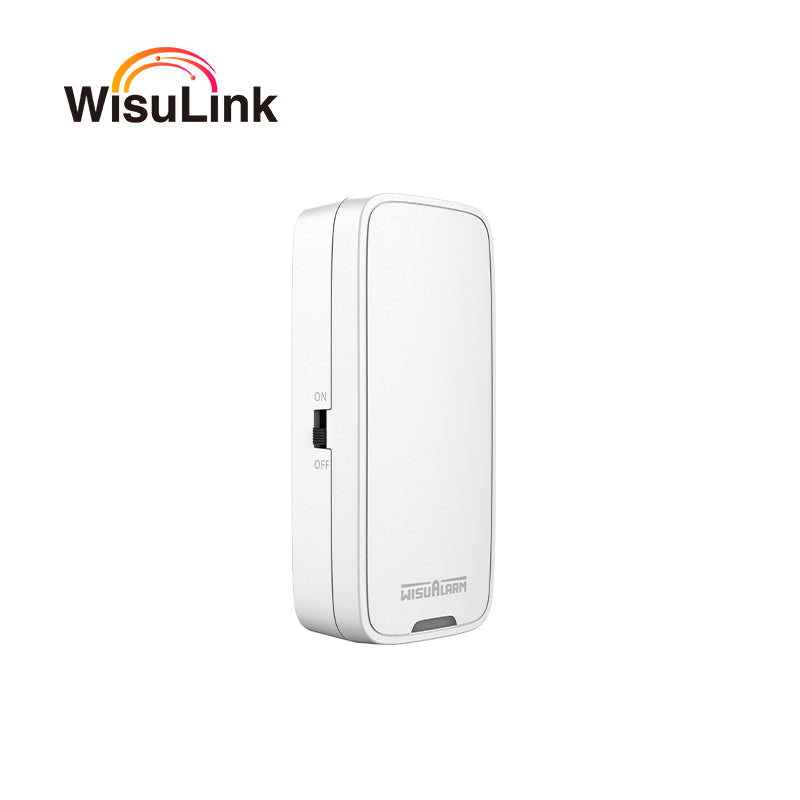
For example, the Wisualarm wireless interconnected smoke alarm range includes battery-powered options designed to sound together when one connected alarm detects smoke. This can help alert people in other rooms or on different floors without requiring interconnecting wiring between the alarms.
Smoke, Heat and CO Alarms: Do You Have the Right Combination?
Different alarms detect different hazards, so choosing the right combination matters.
Smoke alarms detect smoke and provide an early warning of a potential fire. They are a core part of a home's fire safety setup.
Heat alarms detect a rapid rise in temperature or high heat. They can be useful in kitchens, where cooking fumes and steam may trigger a smoke alarm unnecessarily. A heat alarm should complement smoke alarms, not replace them.
Carbon monoxide alarms detect carbon monoxide, a poisonous gas that cannot be seen, smelled or tasted. Homes with fuel-burning appliances should consider whether they have appropriate CO protection.
For households looking to update more than one type of detector at the same time, a combined kit can make the process simpler.
The Wisualarm 5PC Interlinked Smoke, CO & Heat Alarm Kit includes three smoke alarms, one CO alarm and one heat alarm. The units are pre-connected, helping homeowners set up a coordinated alarm system without pairing each detector individually.
The compatible system can support up to 24 devices, depending on the model and configuration. This gives households the flexibility to extend their alarm coverage as their needs change.
When Is a Smart Alarm System Worth Considering?
For some households, hearing an alarm is not the only priority. They may also want to check device status or receive alerts when they are away from home.
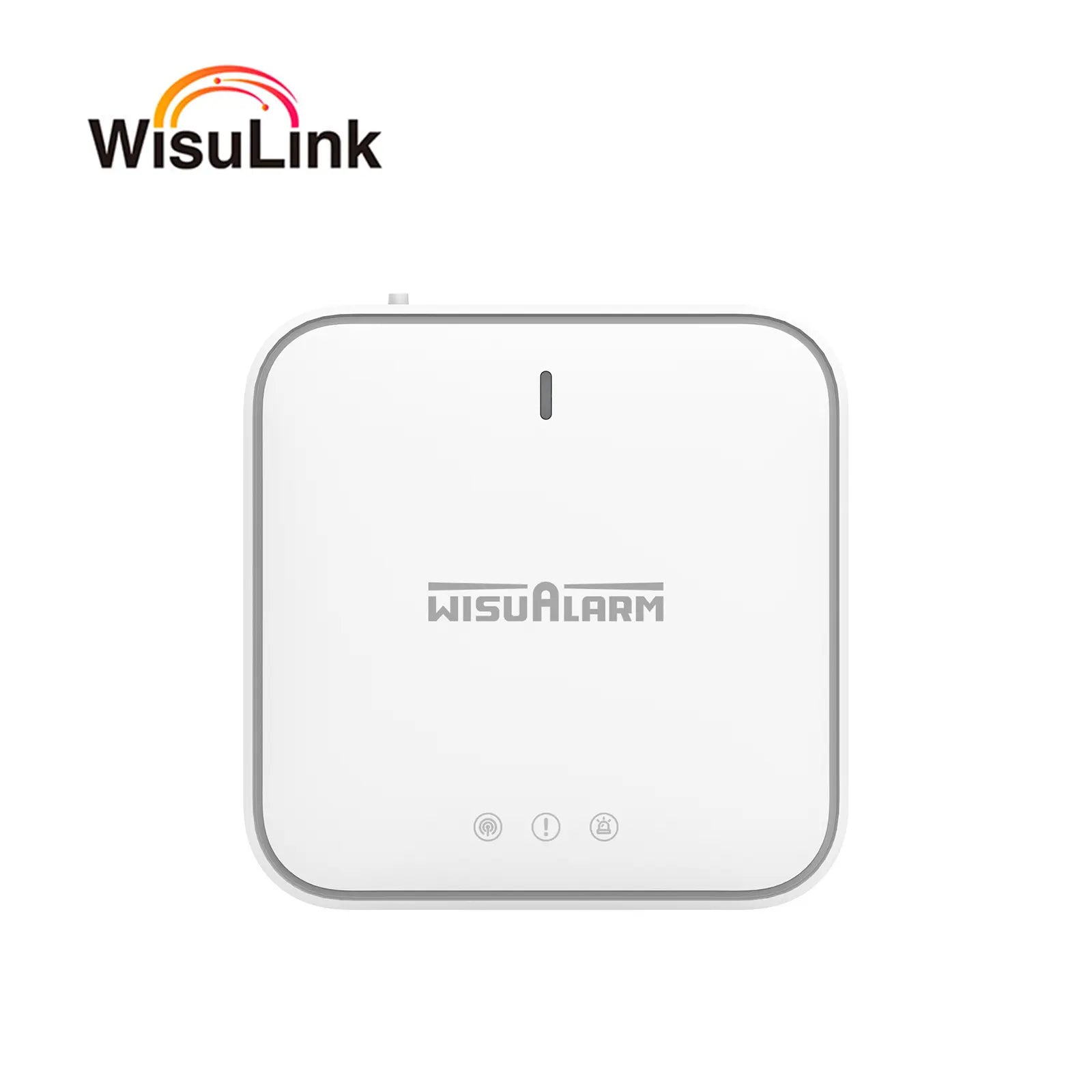
A compatible gateway-based system can add app connectivity to supported alarms. Depending on the model and setup, users can check alarm status and receive notifications such as low-battery or fault alerts through the Wisualarm app.
If remote monitoring is important to your household, explore the Wisualarm Gateway and Smoke & Heat Alarm Kit.
It is important to check product compatibility before adding devices: not every wireless interlinked alarm supports gateway connectivity.
A Quick Home Fire Safety Check Before Christmas
Before the festive season gets busy, take a few minutes to review your home's fire safety:A simple check now can help you identify gaps before the holiday period begins.
- Test every smoke and CO alarm.
- Check that alarms are installed in suitable locations.
- Replace alarms that have reached the end of their service life.
- Make sure interconnected alarms sound together.
- Keep cooking areas and electrical sockets free from avoidable hazards.
- Keep hallways, staircases and exits clear.
- Make sure everyone at home knows the escape route.
Frequently Asked Questions
How often should I test my smoke alarms in the UK?
The UK Government recommends testing smoke alarms at least once a month. Press the test button and make sure the alarm sounds. If it does not work, check the manufacturer's instructions and replace the battery or alarm as required.
Are interconnected smoke alarms better for larger homes?
Interconnected alarms can be particularly useful in larger or multi-storey homes. When one connected alarm detects smoke, the others sound as well, helping alert people who may be farther away from the source.
Do I need a heat alarm in my kitchen?
A heat alarm can be a useful addition because it detects high temperatures rather than smoke. It is often suitable for kitchens where cooking fumes may cause unwanted smoke alarm activations. It should be used alongside, not instead of, appropriate smoke alarms.
Do I need a carbon monoxide alarm?
Carbon monoxide alarms are important in homes with appliances that burn fuel, such as gas boilers, fires and wood-burning stoves. Check the guidance that applies to your home and the appliances installed.



Lascia un commento