Carbon Monoxide Alarm 3 IN 1 With 10 Years Battery
Carbon Monoxide Detection
Temp & Humidity Sensing
Blue Backlight Function
BS 5839-6:2019 Grade F1
£19.99
Regular price
£25.99
Sale price
Unit price/ per
Sale
SKU: DHI-HY-GC20C
Carbon Monoxide Detector With 10 Years Battery
Digital Display Screen
Three Indicator Lights
Low Battery Warning
Certified to EN 50291
£21.99
Regular price
£27.99
Sale price
Unit price/ per
Sale
30%OFF
SKU: C03
Carbon Monoxide Detector With 10 Years Battery
LED Colored Indicators
10 Years Battery Lifetime
Easy Test/Silence
EN 50291 Certified
£15.99
Regular price
£22.99
Sale price
Unit price/ per
SKU: DHI-HY-MAP01
Magnetic Adhesive Pad
Hassle-free Installation
Compatible with Various Alarms
Secure Attachment
Durable materials
£2.99
Regular priceSale price
Unit price/ per
Sale
25%OFF
SKU: H01
Standalone Heat Alarm With 10 Years Battery
Class A1 Fire Detection
10-year Battery Lifetime
Easy Test and Silence
BS 5839-6:2019 Grade F1
£17.99
Regular price
£23.99
Sale price
Unit price/ per
Sale
12%OFF
SKU: WL1
Standalone Water Leak Detector | 3-Year Battery Life
Drip & Leak Detection
IP65 Waterproof Rating
Audible & Visual Alert
Standalone Reliability
£13.99
Regular price
£15.99
Sale price
Unit price/ per
Alarm Guides Before You Buy
Alarm Guides Before You Buy
Smoke Alarms
Wisualarm offers smoke alarms, which adopt the advanced split-spectrum technology to reduce the false alarm for peace of mind. Check our various smoke alarms.
How do Smoke Alarms Function? Smoke alarms typically consist of two main types: ionization and photoelectric. Ionization smoke alarms contain a small amount of radioactive material that ionizes the air, while photoelectric smoke alarms use a light beam to detect smoke particles. When smoke enters the alarm, it triggers a sensor that sets off the alarm, alerting occupants to the potential danger.
Interlinked Smoke Alarms
Interlinked smoke alarms are a network of smoke detectors that are connected wirelessly or through a hardwired system. When one alarm detects smoke or fire, it triggers all the interconnected alarms in the network to sound simultaneously. This interconnected system ensures that everyone in the house is alerted to the danger, no matter where they are located.
Smoke Alarms Purchasing Tips
1. Ensure products comply with local British fire protection standards. Grade F: Battery operated, stand-alone smoke detectors and heat alarms. Primarily intended for domestic, owner-occupied housing. F Grade alarms with interlink (especially with 10-year sealed lithium batteries) may be used as Grade D in some cases. Always verify with the relevant authority. 2. Check the power source. CR123A Batteries: referred to simply as 123 batteries, are high power lithium based batteries used extensively in security alarm systems. An AA battery is a standard size of dry cell battery commonly used in portable electronic devices.
Multi-Sensor Smoke Alarms
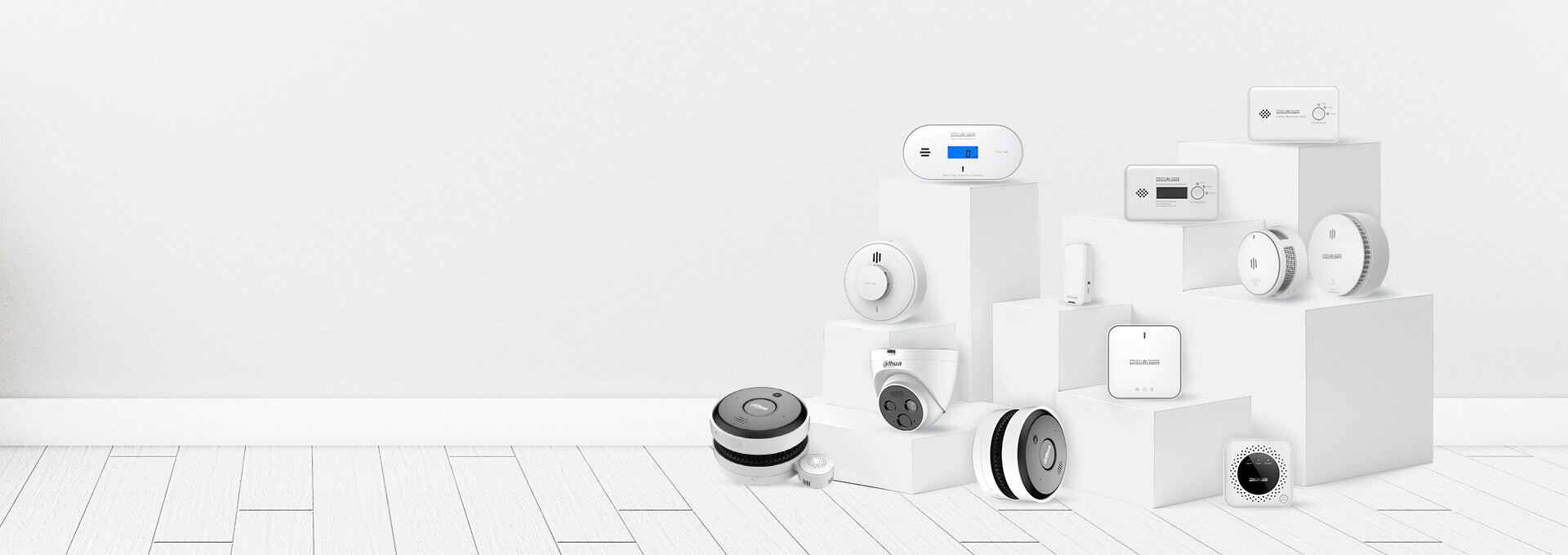
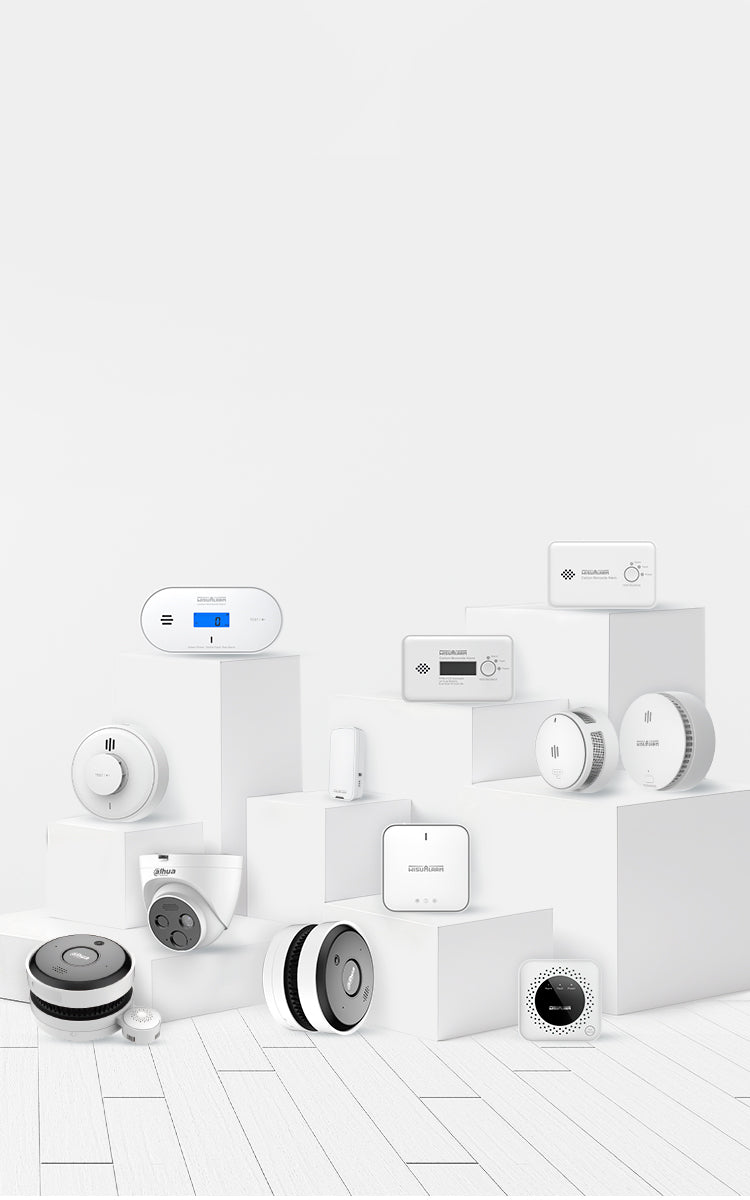
Combining various smoke detection sensor technologies enhances the capabilities of each technology. Wisualarm also offer heat alarm, commonly used in kitchen and carbon monoxide alarm to safeguard against fire and carbon monoxide risks. Beside, for gas leaking and carbon dioxide detection, Wisualarm also prepared the solutions for that.
Many UK homes installed 10-year smoke alarms around 2015–2016. If your alarm has been protecting your home for almost a decade, now is the time to check its age and...
What Is a Smart Smoke Alarm? A smart smoke alarm is a connected smoke detector that sends alerts to your smartphone when smoke is detected. Unlike traditional smoke alarms that...
When setting up home safety protection, many UK homeowners assume smoke and carbon monoxide (CO) alarms work in a similar way. However, guidance from UK fire services such as the...
2026 Home Safety: More Than Just Smoke Modern UK homes are smarter and more complex, featuring open-plan layouts, more electrical devices, and gas-powered heating. A single smoke alarm is no...
In recent discussions across Reddit, Quora, and home improvement forums, smoke alarms and carbon monoxide safety come up again and again—not from a technical point of view, but from real...
As of June 2026, the regulatory landscape for residential fire and carbon monoxide (CO) safety in the UK has reached a new level of sophistication. For property owners and landlords,...
There is nothing quite like the feeling of packing up the caravan or overlanding rig, leaving the grid behind, and heading deep into the British countryside for a wild camping...
Yes, smoke alarms are fully recyclable in the UK, but they require specialist processing. Under United Kingdom environmental law, these devices are classified as Waste Electrical and Electronic Equipment (WEEE),...
Carbon monoxide (CO) is a colorless, odorless gas that can be extremely dangerous if not detected early. That's why having a carbon monoxide alarm in your home is crucial for...