


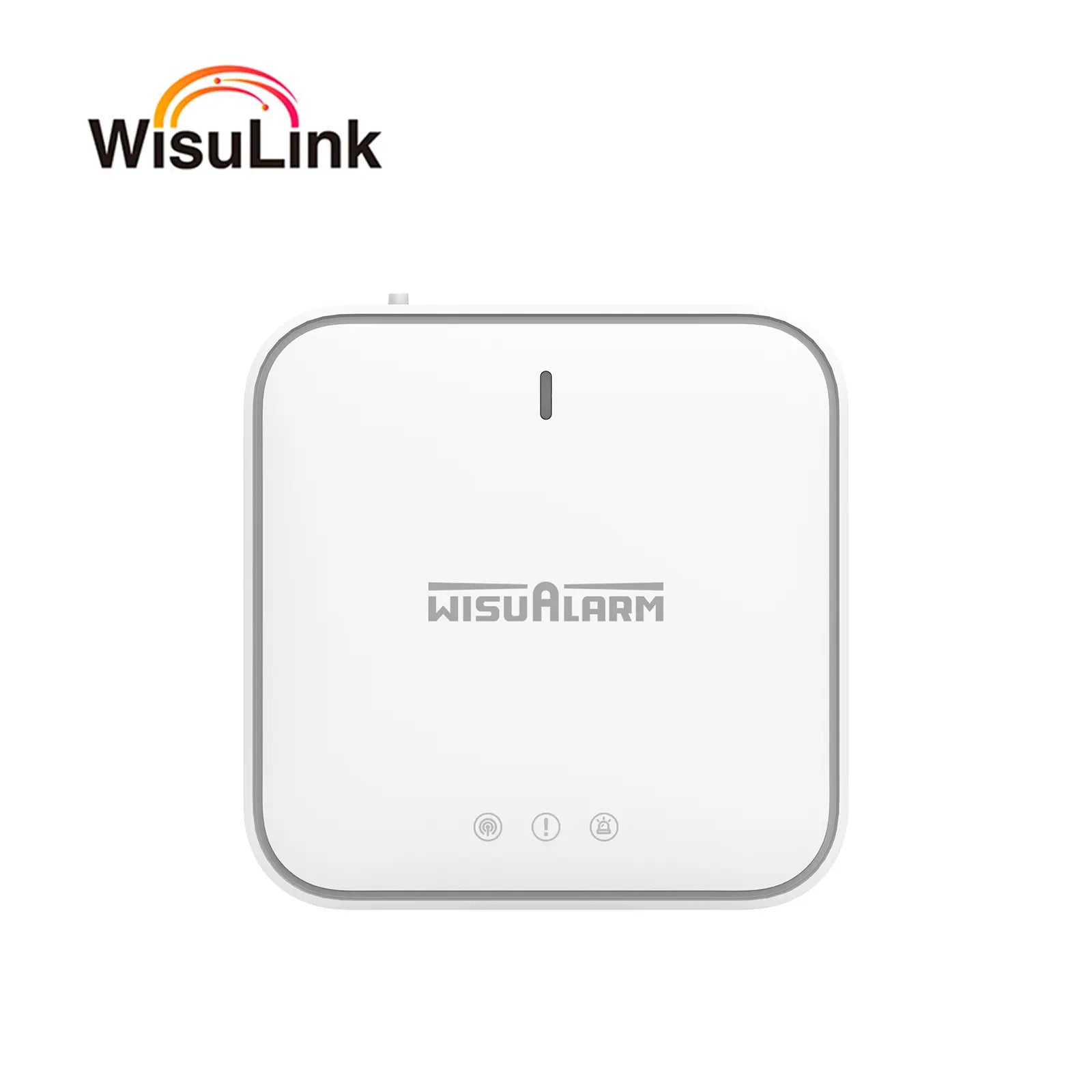


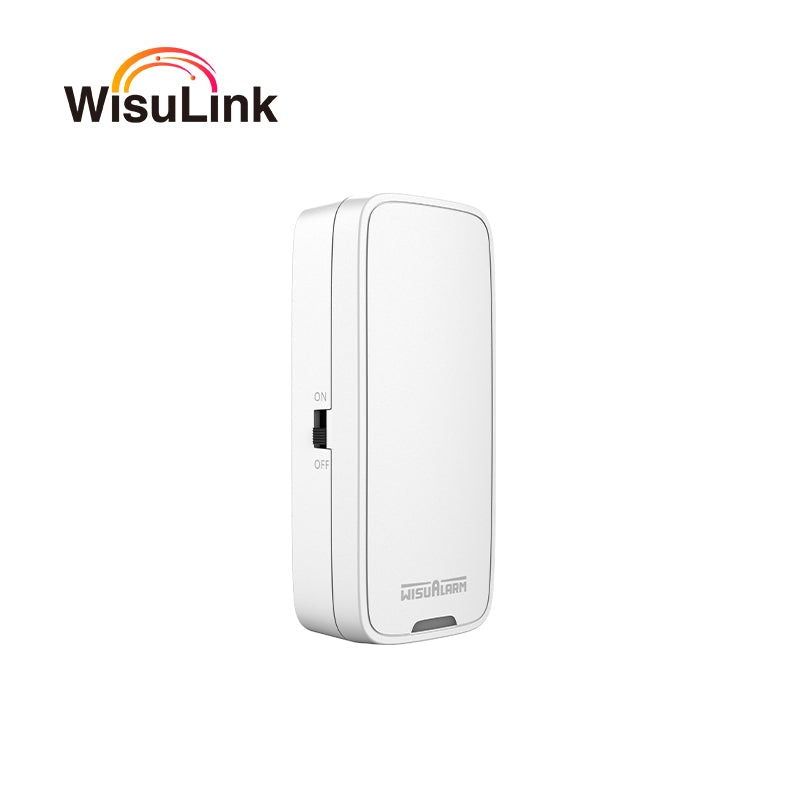


Carbon monoxide (CO) is a silent, invisible threat—but with your Wisualarm Carbon Monoxide Detector, you can protect your home and family with confidence. This guide walks you through unboxing, installation, operation, maintenance, and troubleshooting—so you can get your detector up and running in minutes, and keep it working at its best for years.
Part 1: What’s in the Box?
First, confirm you have all components included with your Wisualarm CO Detector (contents may vary slightly by model; check your product label):
- 1 Wisualarm Carbon Monoxide Detector (battery-powered)
- 1 user manual (keep this for future reference)
- 1 set of mounting screws (for wall installation)
- 2 drilling template
Part 2: Before Installation: Choose the Right Location
Where you place your CO detector directly impacts its ability to detect gas. Follow these rules to pick the best spot:
Do’s:
- Install on every level of your home: At minimum, place one detector on the main floor, one near bedrooms (ideally within 10 feet of sleeping areas), and one in basements (CO is heavier than air and sinks to lower levels).
-
Mount at the right height:
- For battery-powered models: Mount 5–6 feet above the floor (avoid floor-level placement, where dust and moisture collect).
- For battery-powered models: Mount 5–6 feet above the floor (avoid floor-level placement, where dust and moisture collect).
- Place near CO sources (but not too close): Position detectors within 10–15 feet of appliances that use gas, oil, or wood (e.g., furnaces, water heaters, fireplaces, stoves)—but not directly next to them (heat or fumes from the appliance may trigger false alerts).
Don’ts:
- Never install in bathrooms, kitchens, or garages (steam, cooking smoke, or car exhaust will cause false alarms).
- Avoid areas with extreme temperatures (e.g., near vents, radiators, or windows)—temperatures below 40°F (4°C) or above 100°F (38°C) damage the sensor.
- Don’t block vents: Keep the detector’s air vents (on the front/side) clear of curtains, furniture, or dust—airflow is needed to detect CO.
Part 3: Step-by-Step Installation
Installing your Wisualarm CO Detector takes 5–10 minutes—no tools needed (unless mounting on a wall).
Option 1: Battery-Powered Installation
- Insert the battery: Open the battery compartment (on the back of the detector) using a small screwdriver (if locked). Close the compartment.
-
Mount (optional): If mounting on a wall:
- Use the included template (in the user manual) to mark two drill holes.
- Insert wall anchors (if mounting on drywall) and screw in the mounting plate.
- Snap the detector onto the mounting plate until it clicks.
- Turn it on: Some battery models have an “On/Off” switch—flip it to “On.” The green “Power” light will illuminate.
- Test it: Press the “Test” button—you’ll hear the test beep and see the red light flash. If this works, your detector is ready!
Part 4: Understanding the Detector’s Lights & Sounds
Wisualarm’s design uses clear lights and sounds to keep you informed—no guesswork required:
| Light Color | Light Status | Sound | What It Means | Action Needed |
|---|---|---|---|---|
| Green | Solid | None | Normal operation; detector is powered and ready | None |
| Green | Blinking (1x/30s) | None | Battery backup is active (plug-in models only; power outage) | Check your home’s power—once power is restored, light will stop blinking |
| Yellow | Solid | Short chirp (1x/min) | Low battery | Replace the backup battery |
| Yellow | 3 Yellow blinking (3x/60s) | 3 beep/min | End of service life (detector expired) | Replace the detector immediately |
| Red | Fast blinking + Loud, continuous beep (1x/second) | Loud beep (85+ decibels) | CO detected (emergency!) | Evacuate home immediately; call gas company; do not re-enter until safe |
Part 5: Maintenance to Keep Your Detector Working
To ensure your Wisualarm CO Detector reliably detects CO, follow these simple maintenance steps:
- Test monthly: Press the “Test” button once a month—if you don’t hear a beep or see the red light, replace the battery (if battery-powered) or contact customer service.
- Replace batteries (as needed): For plug-in models, replace the backup battery every 6 months (or when the yellow light/chirp appears). For battery-powered models, replace the main battery every 12 months (Wisualarm’s long-life batteries may last longer—check the user manual).
- Clean every month: Dust clogs vents and damages the sensor. Unplug the detector (or remove batteries), then use a soft brush or canned air to gently clean the vents. Never use water or cleaning products.
- Check expiration date: Wisualarm detectors have a 10-year service life (marked on the back as “End of Service Date”). Replace it before this date—even if it’s still working.
Part 6: Troubleshooting Common Issues
If your detector isn’t working as expected, try these fixes first:
- Detector won’t turn on: Check the power source (outlet, battery, or circuit breaker). For battery models, ensure the battery is inserted correctly (match +/–).
- False alarm (red light + beep): Did you install it near a gas stove, fireplace, or garage? Move it 15+ feet away from these sources. If the alarm continues, contact your gas company to test for CO (it may not be a false alarm!).
- Yellow light won’t go away after battery replacement: Reset the detector—unplug/remove batteries, wait 10 seconds, then reconnect power. Press the “Test” button to clear the alert.
- No test beep: Replace the battery (if applicable). If that doesn’t work, contact Wisualarm customer service (warranty covers defective units for 5 years).
Why Wisualarm Carbon Monoxide Detectors Stand Out for Home Safety
When it comes to protecting your family from the “silent killer,” not all CO detectors are created equal—and Wisualarm is designed to take the stress out of home safety.
Unlike generic detectors that require constant battery checks or fail to clearly signal issues, Wisualarm offers:
- 10-year lifespan (2 years longer than industry average): No need to replace your detector every 5 years—Wisualarm’s durable sensor stays reliable longer.
- Clear, panic-free alerts: No confusing beeps—you’ll instantly know if it’s a low battery (yellow light + soft chirp), CO emergency (red light + loud beep), or expired unit (red blink).
- Hassle-free power options: Choose from battery-powered (12-month battery life)—perfect for any home.
- Global safety certifications: Meets EN 50291 (EU) standards—so you know it will detect CO at dangerous levels (as low as 30 ppm) in minutes.
- 5-year warranty: If your detector malfunctions within 5 years, we’ll replace it for free.
Your family’s safety shouldn’t be a guess. With Wisualarm Carbon Monoxide Detectors, you get reliable protection, easy operation, and peace of mind—all in one device. Visit [Wisualarm’s website](insert website link) to find the perfect model for your home, or contact our customer team at support@wisualarm.com with any questions.
Don’t wait until it’s too late—invest in a Wisualarm detector today, and sleep easier knowing you’re protected from carbon monoxide.



I have only had my alarm a couple of months. When I press the test tbutton nothing happens. I have kept pressing it and once it beeped. There is a mute symbol next to the test. I dont know if I have muted it as there is no separate button
Hi there we had a carbon monoxide alarm fitted with our new boiler last year. It has started to beep once every half an hour. We were told it had a 10 year battery but it’s one year old and battery cannot be replaced.Any help appreciated I have evidence of the boiler fitting etc. There is no green light on at all .
Leave a comment