




In the realm of fire safety, technology has evolved far beyond the isolated "beeping box" on the ceiling. As we move through 2026, the global standard for residential protection has shifted toward a more integrated, intelligent approach. The most significant advancement in this field is the Wireless Interlinked System.
For homeowners, landlords, and property managers, understanding the synergy between wireless connectivity and multi-sensor detection is no longer just an option—it is a necessity for modern living and legal compliance. This guide explores the mechanics, benefits, and strategic implementation of wireless interlinked smoke and heat alarms.
1. Understanding the "Interlinked" Revolution
Traditional smoke alarms operate as stand-alone units. If a fire starts in a remote location, such as a garage or a basement, the alarm in that room will sound, but the residents sleeping on the third floor might not hear it until the fire has reached a critical, life-threatening stage.
Wireless Interlinking solves this "audibility gap." When one alarm in the network detects a threat, it sends a high-frequency radio signal to every other alarm in the building. Within seconds, every unit sounds the alert simultaneously.
The "One Starts, All Start" Principle
This synchronization is crucial for large homes or multi-story buildings. It ensures that the warning is delivered exactly where the occupants are, providing those vital extra seconds needed for a safe evacuation. By using radio frequency (RF) technology rather than physical wiring, these systems offer the protection of a hardwired network without the invasive construction costs.
2. Smoke vs. Heat Alarms: Why You Need Both
A common misconception is that a smoke alarm is sufficient for every room. In reality, a truly safe home requires a strategic mix of Smoke Alarms and Heat Alarms.
The Smoke Alarm (The General Guard)
Most modern smoke alarms utilize photoelectric (optical) technology. These are designed to detect larger particles produced by smoldering fires—the kind that often start from faulty wiring, upholstery, or cigarettes. They are ideal for hallways, living rooms, and bedrooms.
The Heat Alarm (The Specialist)
Standard smoke alarms are prone to false alerts in kitchens or dusty attics due to cooking fumes and steam. Heat Alarms ignore smoke and instead trigger when the room temperature reaches a specific threshold (typically around 58°C).
-
Kitchens: To detect pan fires without being triggered by burnt toast.
-
Garages: To detect vehicle fires without being triggered by exhaust fumes.
-
Attics: To handle dusty environments where smoke sensors might fail.
3. The Shift to Wireless: Why Now?
The transition from hardwired to wireless systems is driven by three main factors: Cost, Flexibility, and Legislation.
I. Cost-Effectiveness
Hardwiring a network of alarms requires an electrician to run cables through walls and ceilings. In existing properties, this involves "chasing" walls and subsequent re-decoration. Wireless systems use encrypted RF signals to communicate, eliminating labor costs and structural damage.
II. Scalability
A wireless system is modular. You can start with a basic setup (e.g., one smoke and one heat alarm) and easily add more units as you renovate your home or expand your property. Most modern systems allow for up to 24 to 50 interlinked devices.
III. Legal Compliance
In many regions, including the UK (specifically Scotland’s 2022 legislation) and parts of the EU, it is now a legal requirement for alarms in residential properties to be interlinked. Wireless technology has become the primary method for property owners to achieve compliance quickly and reliably.
4. Key Technical Standards to Look For
When investing in a life-safety system, certifications are non-negotiable. Look for the following:
-
EN 14604 (Europe): The standard for smoke alarm performance.
-
BS 5446-2 (UK): The standard specifically for heat alarms.
-
CE & UKCA Marks: Ensuring the product meets health, safety, and environmental protection standards.
-
10-Year Sealed Lithium Batteries: Modern professional units are "fit and forget," meaning the battery lasts for the entire 10-year lifespan of the sensor.
5. Strategic Placement Strategy
To maximize the effectiveness of a wireless interlinked system, placement must be calculated:
-
Hallways and Landings: One smoke alarm on every level of the house to cover escape routes.
-
Living Areas: A smoke alarm in the most frequently used room, as many fires start from electrical devices.
-
Kitchen: A heat alarm positioned at least 1.5 meters away from the stove to avoid nuisance triggers.
-
Bedrooms: High-risk occupants (children or the elderly) should have smoke alarms in their rooms for immediate local notification.
6. Maintenance: Ensuring 24/7 Readiness
Even the most advanced wireless system requires minimal maintenance to remain effective:
-
The Monthly Test: Use the "Test" button on any single unit. In an interlinked system, you should hear every alarm in the house sound within 10 seconds.
-
Dusting: Gently vacuum around the vents of the alarm every six months to ensure smoke can reach the sensor chamber.
-
The 10-Year Rule: All fire sensors degrade over time. Regardless of the battery status, the entire unit must be replaced every 10 years to ensure reliability.
7. Why Choose Wisualarm for Your Safety?
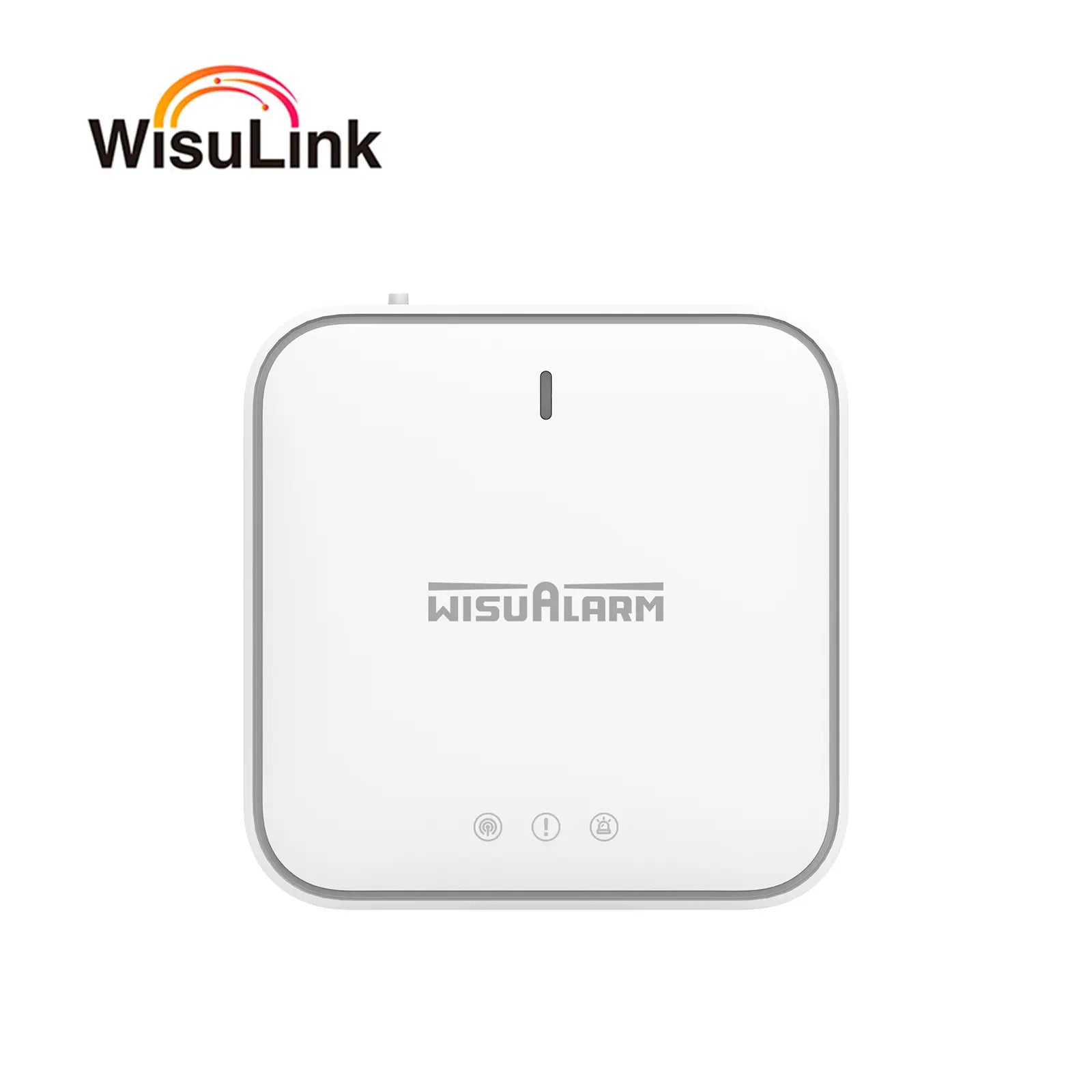
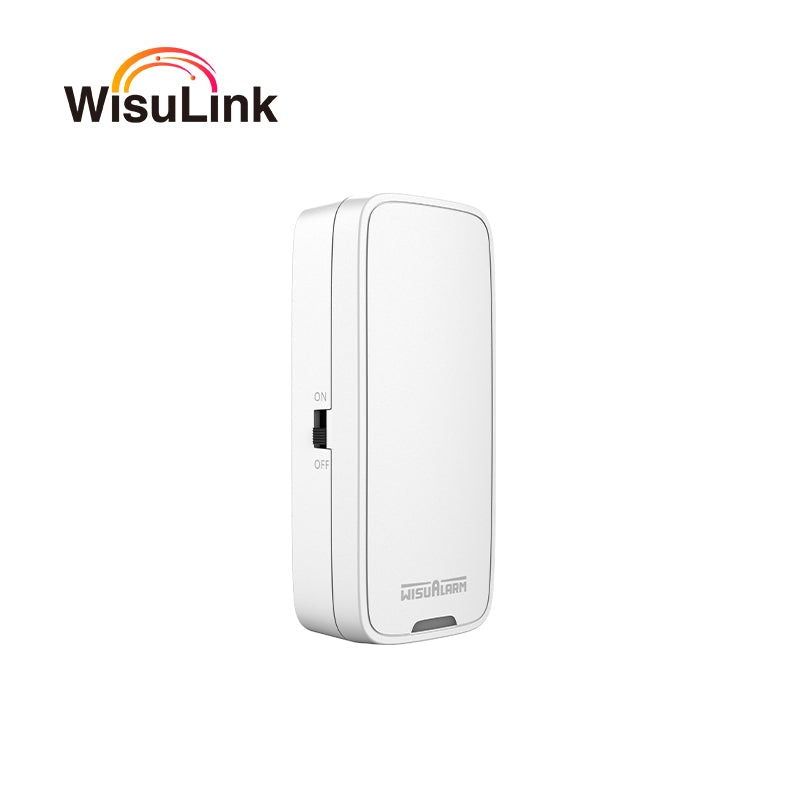
When it comes to professional-grade fire protection, Wisualarm is a global leader in providing reliable, easy-to-install, and technologically advanced solutions. Our wireless interlinked range is designed specifically to meet the rigorous demands of modern safety legislation while maintaining a sleek, unobtrusive design.
The Wisualarm Advantage
Our Wireless Interlinked Safety Bundle is the ultimate solution for homeowners and professionals alike:
-
Hybrid Connectivity: Our smoke and heat alarms utilize a stable, proprietary RF frequency that ensures wall-to-wall connectivity without interfering with your home Wi-Fi.
-
10-Year Peace of Mind: Equipped with high-capacity sealed lithium batteries, Wisualarm units eliminate the need for annual battery changes.
-
Intelligent Logic: Our sensors are tuned to distinguish between real fire threats and common household "nuisance" triggers, significantly reducing false alarms.
-
Easy Pairing: Our "Smart Link" technology allows you to pair your entire network in minutes with a simple button-press sequence.
Protect Your Home with Wisualarm
Don't wait for an emergency to realize your alarms are disconnected. Whether you are a landlord looking to comply with new safety laws or a homeowner protecting your family, Wisualarm offers the perfect balance of industrial-grade security and DIY simplicity.
Experience the power of a connected home. Explore the Wisualarm Wireless Interlinked range today and ensure that when one alarm sounds, everyone is protected.



Leave a comment